Compliance Is the Starting Point—Not the Destination
For organizations operating mission-critical facilities, compliance with industry standards and regulations is essential. It establishes the minimum requirements for safety, operational integrity, and reliability.
However, in today’s digital economy, meeting compliance requirements alone is no longer enough.
As businesses become increasingly dependent on uninterrupted digital services, executive teams must ask a broader question:
Does our critical power strategy simply comply with regulations, or does it strengthen business confidence?
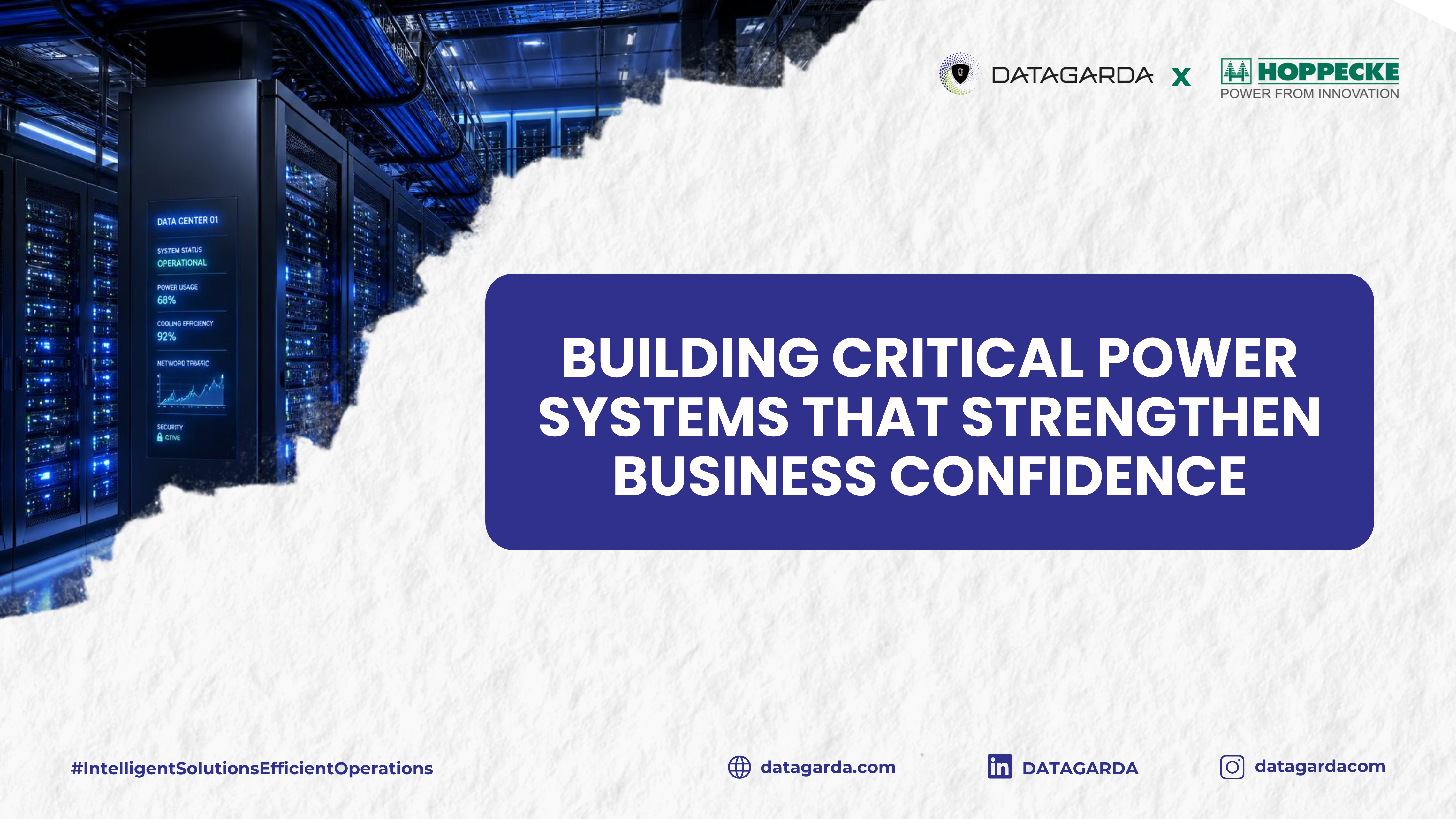
Business confidence is built when infrastructure consistently demonstrates reliability, resilience, and operational safety—even under unexpected conditions.
Why Critical Power Systems Matter More Than Ever
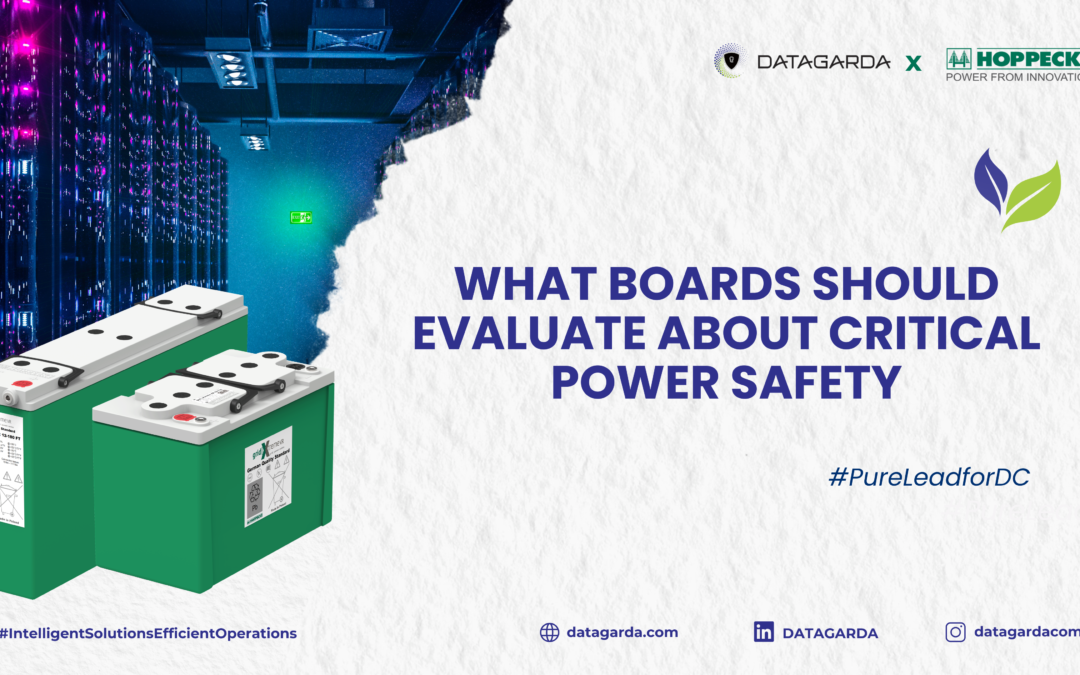
Every mission-critical facility depends on reliable power infrastructure.
Data centers, hospitals, financial institutions, manufacturing facilities, and telecommunications networks all rely on battery systems to maintain operations during power disturbances.
As workloads increase and AI-driven applications place greater demands on infrastructure, critical power systems become even more important.
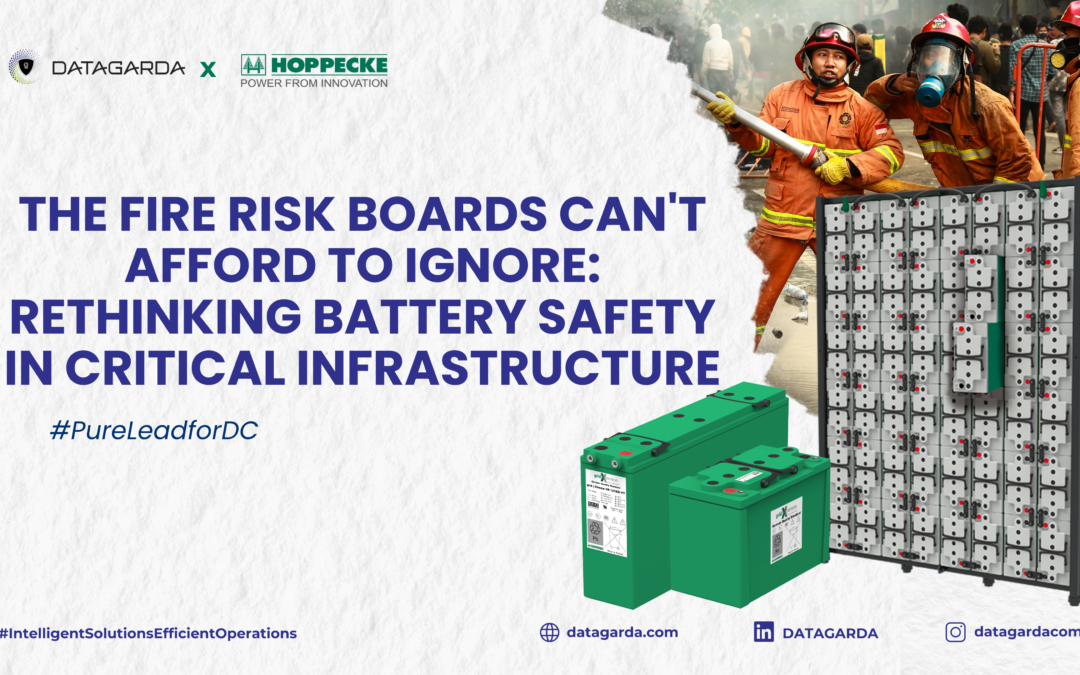
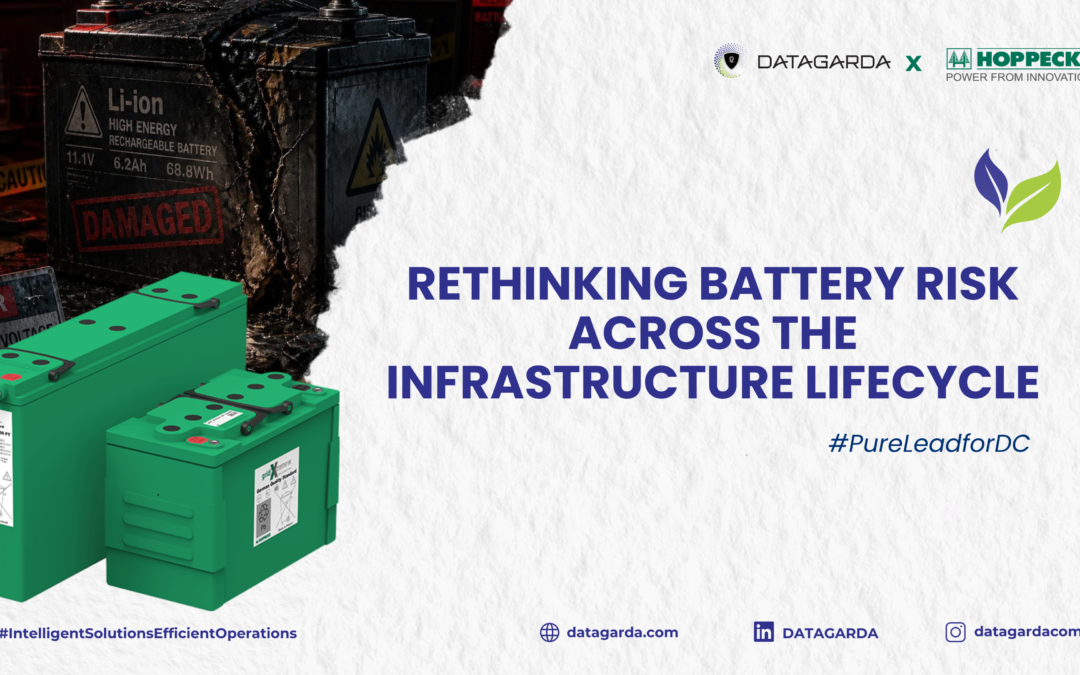
At the same time, recent industry discussions surrounding battery fire incidents have highlighted that power systems should be evaluated not only for performance, but also for safety and operational resilience.
Infrastructure decisions should consider the potential business impact of battery-related risks—not only technical specifications.
Understanding Thermal Runaway
One of the most significant safety considerations associated with certain lithium-ion battery technologies is thermal runaway.
Thermal runaway is a chain reaction within a battery cell that can become extremely difficult to stop once initiated.
It occurs when rising temperatures trigger internal chemical reactions that generate additional heat and oxygen, allowing the reaction to continue independently.
Common contributing factors include:
- Excessive overheating
- Physical damage
- Overcharging
- Internal cell failure
Many lithium-ion battery designs also contain flammable liquid electrolytes and polymer separators, making fire prevention and risk mitigation important considerations for critical infrastructure environments.
For executive leaders, understanding these characteristics is an essential part of informed infrastructure planning.
Compliance Does Not Eliminate Risk
Meeting regulatory requirements is important—but compliance alone does not guarantee resilience.
Organizations should also evaluate:
Operational Safety
How effectively does the critical power system minimize operational hazards?
Lifecycle Reliability
Can it consistently perform throughout its expected service life?
Infrastructure Resilience
Will the system continue supporting business operations during unexpected events?
Maintenance Strategy
Does the technology support efficient inspection, monitoring, and preventive maintenance?
Business Continuity
How does the power strategy reduce operational disruption and strengthen organizational resilience?
Moving beyond compliance means designing infrastructure that performs reliably under real-world conditions—not simply during audits.
Building Confidence Through Smarter Critical Power Decisions
Executive teams should view critical power systems as strategic infrastructure assets rather than supporting equipment.
A stronger critical power strategy includes:
- Comprehensive infrastructure risk assessments
- Battery lifecycle planning
- Preventive maintenance programs
- Continuous operational monitoring
- Fire safety preparedness
- Business continuity integration
- Executive governance and reporting
When these elements work together, organizations reduce operational uncertainty while increasing confidence among customers, employees, regulators, and stakeholders.
Why Battery Technology Deserves Executive Attention
Battery technology directly influences the resilience of mission-critical operations.
When evaluating critical power investments, organizations should consider:
✔ Long-term reliability
✔ Safety characteristics
✔ Operational simplicity
✔ Lifecycle performance
✔ Risk profile
✔ Total cost of ownership
The objective is not simply selecting a battery.
It is selecting a solution that aligns with the organization’s broader resilience and governance strategy.
The Datagarda × HOPPECKE Approach
Datagarda and HOPPECKE share a commitment to helping organizations build critical infrastructure that supports both operational performance and business confidence.
By combining Datagarda’s expertise in:
- Infrastructure Governance
- Operational Excellence
- Infrastructure Risk Assessment
- Data Center Operations
- Business Continuity Planning
- Infrastructure Lifecycle Management
with HOPPECKE’s decades of experience in critical power and industrial battery solutions, organizations gain a comprehensive approach to managing critical power infrastructure.
Together, we help organizations make infrastructure decisions that balance:
- Reliability
- Operational safety
- Lifecycle value
- Business resilience
- Long-term strategic performance
Conclusion
In today’s digital economy, resilience cannot be measured by compliance alone.
Organizations must evaluate infrastructure through a broader perspective that includes operational safety, lifecycle performance, governance, and business continuity.
Critical power systems are no longer simply technical assets.
They are strategic investments that influence enterprise resilience and executive confidence.
The organizations that build lasting trust are those that move beyond compliance and design infrastructure capable of supporting sustainable business performance under every condition.
Build Critical Power Systems That Inspire Confidence
Compliance is only the beginning of resilient infrastructure.
Partner with Datagarda and HOPPECKE to strengthen critical power strategy through infrastructure assessments, operational excellence, lifecycle management, and resilient battery solutions.
Go beyond compliance. Build confidence through resilient critical power infrastructure.