Infrastructure Is No Longer Just an IT Responsibility
For many years, discussions about data centers focused on uptime, hardware, and operational efficiency.
Today, that conversation has fundamentally changed.
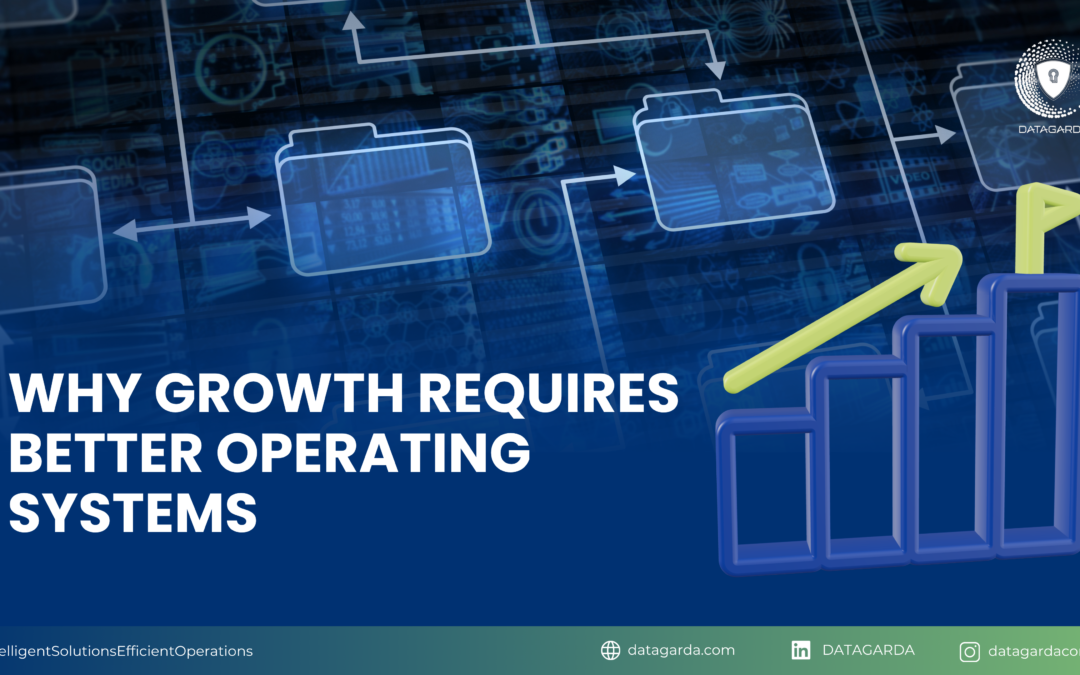
As organizations embrace AI, cloud computing, digital services, and data-driven decision-making, digital infrastructure has become a strategic business asset rather than a supporting function.
The question executives should ask is no longer:
“Is our infrastructure running?”
It is:
“Is our infrastructure enabling business growth?”
The answer to that question begins in the boardroom.
Business Growth Depends on Infrastructure Readiness
Every major business initiative relies on digital infrastructure.
Launching new digital services.
Expanding into new markets.
Deploying AI applications.
Improving customer experience.
Strengthening cybersecurity.
All of these initiatives require infrastructure that is resilient, scalable, and operationally mature.
Without a clear infrastructure strategy, technology investments can become isolated projects instead of long-term business enablers.
Why Infrastructure Strategy Belongs in the Boardroom
Infrastructure decisions influence far more than IT performance.
They directly impact:
- Business continuity
- Revenue protection
- Customer trust
- Regulatory compliance
- Operational efficiency
- Investment returns
- Organizational resilience
These outcomes are strategic priorities that require executive oversight.
When infrastructure planning is aligned with business objectives, organizations can make investment decisions with greater confidence and long-term value.
Stability Is the Foundation—Not the Destination
Reliable operations remain essential.
However, operational stability alone is no longer enough.
Organizations that lead their industries focus on transforming operational stability into business capability.
This means building infrastructure that can:
- Support rapid business expansion
- Enable AI and high-performance workloads
- Adapt to changing operational demands
- Reduce enterprise risk
- Deliver measurable business value
Infrastructure should evolve alongside the business—not become a constraint to growth.
The Cost of Treating Infrastructure as a Technical Issue
When infrastructure planning is managed only at the operational level, organizations often encounter challenges such as:
Reactive Investments
Infrastructure upgrades occur only after performance issues emerge.
Limited Executive Visibility
Business leaders receive operational metrics but lack insight into strategic risks.
Capacity Constraints
Infrastructure struggles to support new applications and future growth.
Governance Gaps
Technology investments fail to achieve expected outcomes because operational maturity has not kept pace.
These issues can slow innovation and reduce the return on digital investments.
Board-Level Questions Every Organization Should Ask
To align infrastructure with business strategy, leadership teams should regularly ask:
Is our infrastructure prepared to support the next phase of business growth?
Do we have visibility into emerging operational risks?
Can our current environment support AI-driven workloads?
Are our governance and operational processes mature enough to scale?
Are infrastructure investments delivering measurable business value?
The answers to these questions shape more resilient and informed business decisions.
Operational Excellence Drives Business Performance
Infrastructure strategy is not only about technology.
It is about how people, processes, governance, and operations work together.
Organizations with higher operational maturity benefit from:
✔ Greater infrastructure reliability
✔ Better risk management
✔ Faster decision-making
✔ Improved resource utilization
✔ Stronger business continuity
✔ Higher confidence in future investments
Operational excellence creates the conditions for sustainable business growth.
Infrastructure as a Strategic Business Asset
Forward-looking organizations no longer see infrastructure as a cost center.
They recognize it as an investment that supports competitiveness.
When infrastructure strategy is integrated into executive planning, organizations can:
- Accelerate innovation
- Improve resilience
- Enhance customer confidence
- Reduce operational risk
- Scale more effectively
- Maximize technology investments
This is where infrastructure becomes a business advantage.
How Datagarda Helps Organizations Align Infrastructure with Business Strategy
At Datagarda, we help organizations bridge the gap between infrastructure operations and executive decision-making.
Our expertise includes:
- Data Center Operations & Management
- Infrastructure Assessment & Audit
- Operational Readiness Reviews
- Governance & Compliance
- Business Continuity Planning
- Operational Intelligence & Performance Reporting
By combining operational excellence with strategic advisory, we help organizations build infrastructure environments that are resilient, scalable, and aligned with long-term business objectives.
Conclusion
In today’s digital economy, infrastructure strategy should not begin when systems fail or capacity runs out.
It should begin in the boardroom.
Organizations that align infrastructure decisions with business strategy are better positioned to innovate, manage risk, and achieve sustainable growth.
Because operational stability is no longer the final goal.
It is the foundation for business success.
Ready to align your infrastructure strategy with your business objectives?
Contact Datagarda today to discuss infrastructure assessments, operational excellence, and resilience strategies that support long-term business growth.
Turn operational stability into a competitive advantage with Datagarda.