Infrastructure Investments Are No Longer Just Technology Decisions
As organizations accelerate digital transformation, AI adoption, cloud expansion, and mission-critical operations, infrastructure investments have become increasingly strategic.
Boardrooms today are being asked to approve larger budgets for data centers, digital infrastructure, and operational modernization.
Yet many investment discussions focus on visible assets such as servers, facilities, networks, and computing capacity.
One critical area often receives less attention than it deserves:
Critical power systems.
The ability to maintain power continuity during disruptions is fundamental to business resilience. Without reliable power infrastructure, even the most advanced digital environment can become vulnerable to downtime, operational disruption, and financial loss.
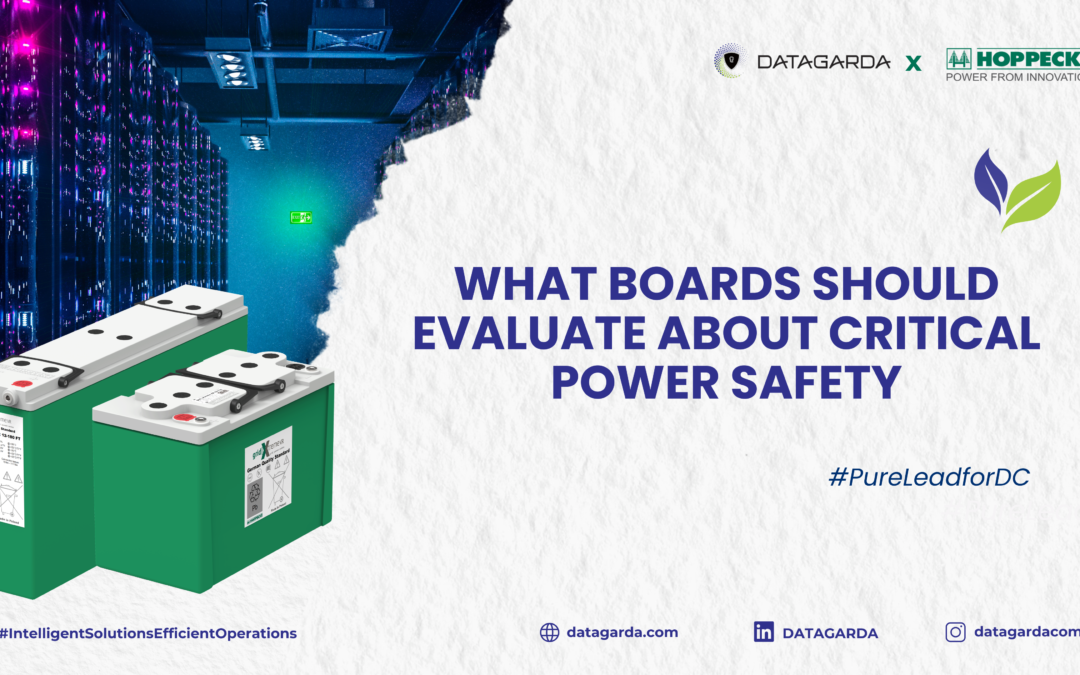
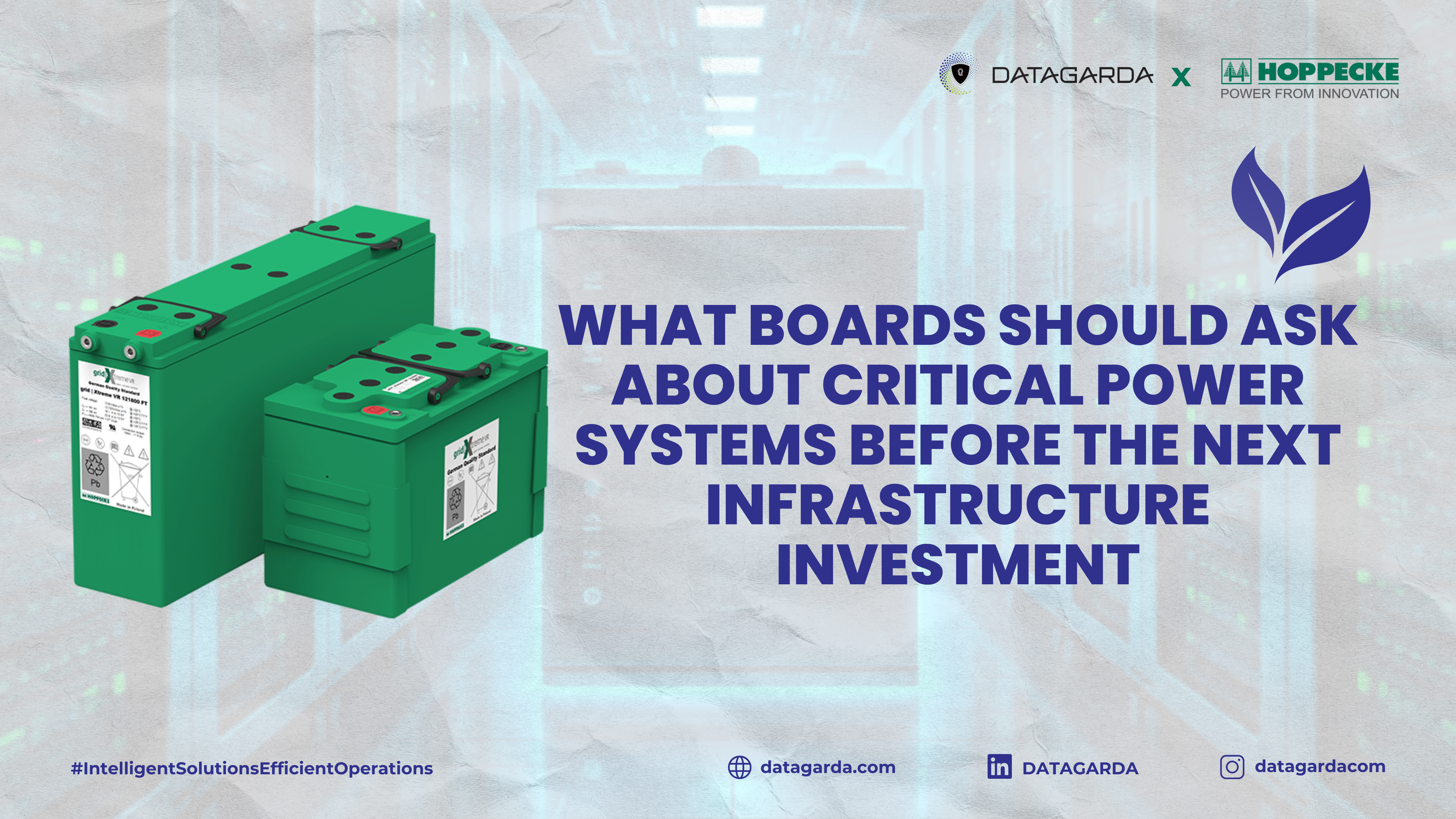
Before approving the next infrastructure investment, boards should be asking deeper questions about power resilience.
Why Critical Power Has Become a Board-Level Concern
Historically, power systems were viewed as operational assets managed by engineering teams.
Today, the business impact of power-related incidents extends far beyond facilities management.
A critical power failure can affect:
- Revenue-generating operations
- Customer experience
- Regulatory compliance
- Service availability
- Corporate reputation
- Business continuity
As digital infrastructure becomes increasingly central to organizational performance, critical power systems are now part of enterprise risk management discussions.
Question #1: How Resilient Is Our Current Power Infrastructure?
Many organizations focus on whether power systems are operational today.
A more important question is whether they can continue supporting future business requirements.
Boards should seek visibility into:
- Infrastructure redundancy
- Power availability targets
- Single points of failure
- Capacity limitations
- Risk exposure during disruptions
Infrastructure resilience is not measured by normal operating conditions.
It is measured by performance during unexpected events.
Question #2: Are We Managing Risk or Simply Managing Equipment?
Traditional maintenance programs often focus on equipment performance.
Modern organizations must focus on risk management.
Board-level discussions should address:
- Lifecycle management strategies
- Failure probability assessments
- Operational readiness reviews
- Business continuity implications
The objective is not merely keeping equipment operational.
The objective is protecting business outcomes.
Question #3: Do We Have Visibility Into Long-Term Reliability?
Many infrastructure failures do not occur suddenly.
They develop over time through:
- Aging components
- Deferred maintenance
- Environmental stress
- Increasing operational demands
Boards should ask whether management teams have sufficient visibility into future reliability trends rather than relying solely on current performance indicators.
Operational transparency supports better investment decisions and reduces uncertainty.
Question #4: Can Our Power Infrastructure Support Future Growth?
AI workloads, cloud services, and digital operations continue to increase power density requirements.
As organizations scale, power systems must scale as well.
Key considerations include:
- Capacity planning
- Energy efficiency
- Scalability requirements
- Future workload readiness
Infrastructure investments should support not only today’s demand but tomorrow’s opportunities.
Question #5: Are We Evaluating Total Cost of Ownership?
The lowest initial investment is not always the lowest long-term cost.
Boards should evaluate:
- Operational costs
- Maintenance requirements
- Replacement cycles
- Reliability impacts
- Downtime risk exposure
A comprehensive view of lifecycle value helps organizations make more informed infrastructure decisions.
Why Battery Technology Plays a Critical Role
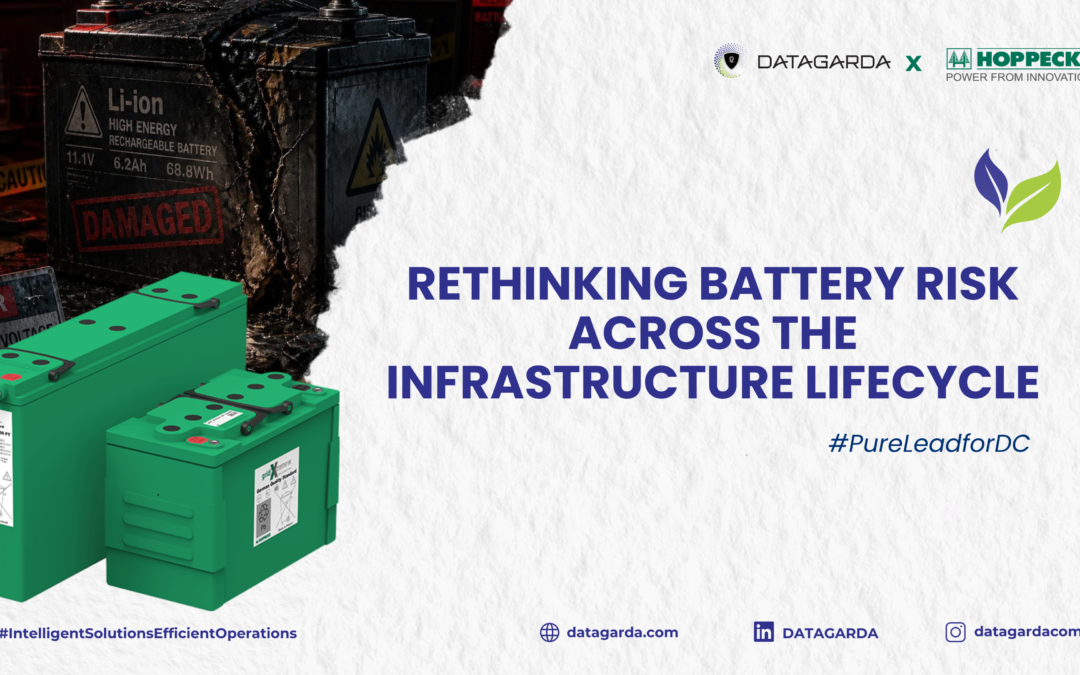
While discussions often focus on generators, UPS systems, and electrical infrastructure, battery technology remains one of the most important components in the critical power chain.
Modern battery solutions contribute to:
- Business continuity readiness
- Infrastructure resilience
- Reduced maintenance complexity
- Improved operational reliability
- Lower long-term risk exposure
As organizations seek greater operational confidence, battery strategy should be considered a core element of critical power planning.
From Infrastructure Reliability to Business Confidence
The most resilient organizations understand that critical power is not merely a technical requirement.
It is a strategic business capability.
When power systems are properly designed, maintained, and aligned with business objectives, organizations gain:
✔ Greater operational confidence
✔ Improved business continuity
✔ Reduced risk exposure
✔ Better investment outcomes
✔ Stronger long-term resilience
The result is infrastructure that supports growth rather than limiting it.
How Datagarda and Hoppecke Support Critical Infrastructure Resilience
DataGarda and Hoppecke help organizations strengthen critical power environments through a combination of infrastructure expertise, operational excellence, and advanced power solutions.
Together, we support organizations in:
- Assessing critical power readiness
- Improving operational resilience
- Reducing infrastructure risk
- Enhancing business continuity planning
- Supporting long-term infrastructure sustainability
Because resilience is not created during a disruption.
It is built through the decisions made before one occurs.
Conclusion
As infrastructure investments become increasingly strategic, boards must look beyond capacity, technology specifications, and short-term budgets.
The right questions about critical power systems can reveal hidden risks, future constraints, and opportunities to strengthen resilience.
Organizations that proactively evaluate power infrastructure today will be better positioned to support growth, protect operations, and navigate future challenges with confidence.
Ready to evaluate your critical power strategy?
Contact Datagarda to discuss infrastructure resilience, critical power readiness, and business continuity planning with our experts.
Build confidence. Strengthen resilience. Protect business continuity.