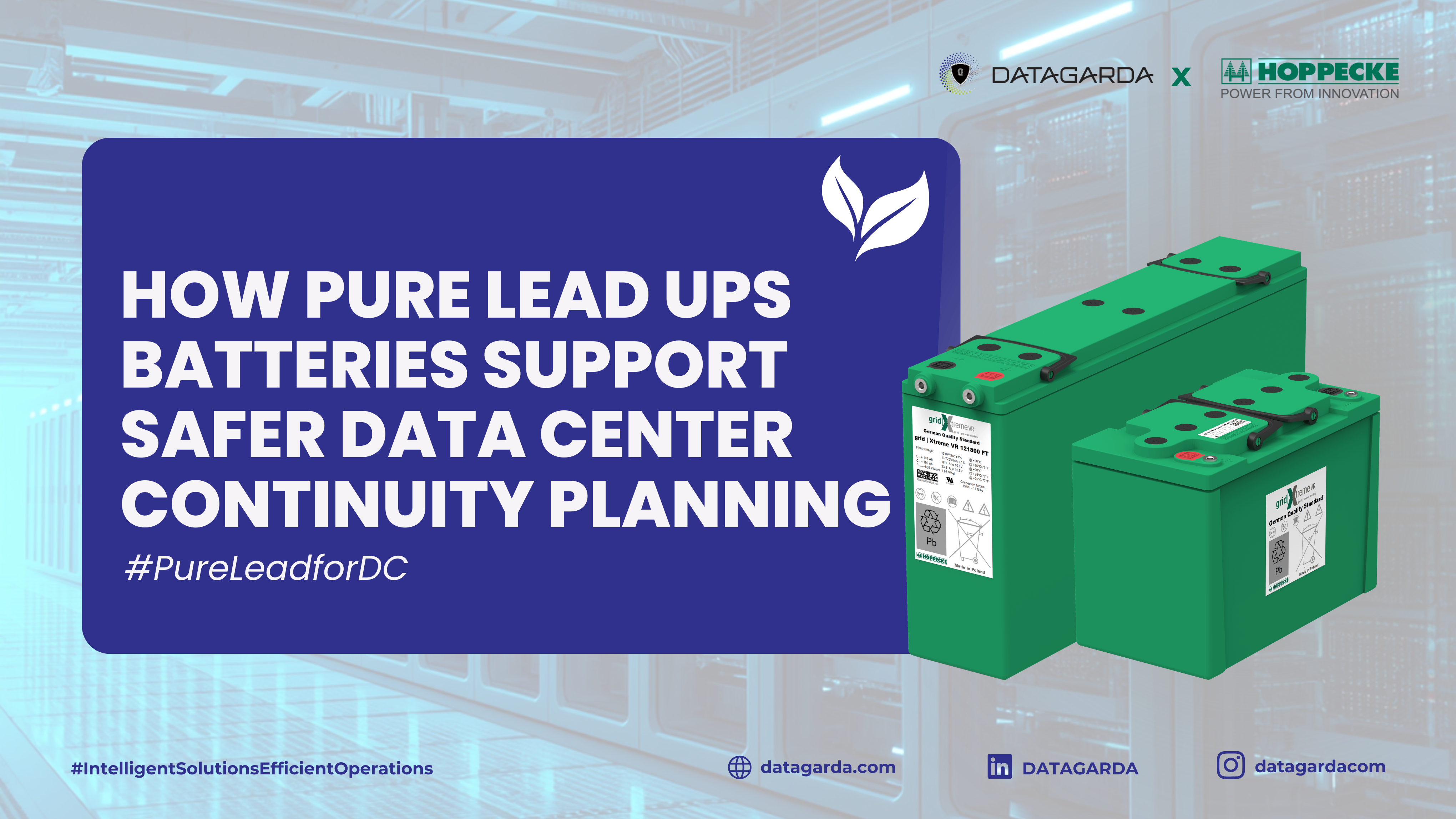
Why Data Center Continuity Planning Must Start with Power Infrastructure
For data center operators, uptime is more than a performance metric—it is a business imperative.
Every second of downtime can impact critical applications, disrupt customer services, damage brand reputation, and create significant financial losses. While organizations invest heavily in redundancy, monitoring, and cybersecurity, one critical component is often overlooked during continuity planning:
The UPS battery system.
As data centers evolve to support higher-density workloads, AI infrastructure, and 24/7 digital operations, power backup systems must deliver more than just availability. They must also provide safety, reliability, and long-term resilience.
The question many organizations should be asking is:
Does your current battery technology support business continuity—or introduce unnecessary risk?
The Hidden Risk Behind Critical Power Systems
A UPS system serves as the last line of defense during power disturbances, grid failures, and unexpected outages.
However, not all battery technologies perform equally under demanding operational conditions.
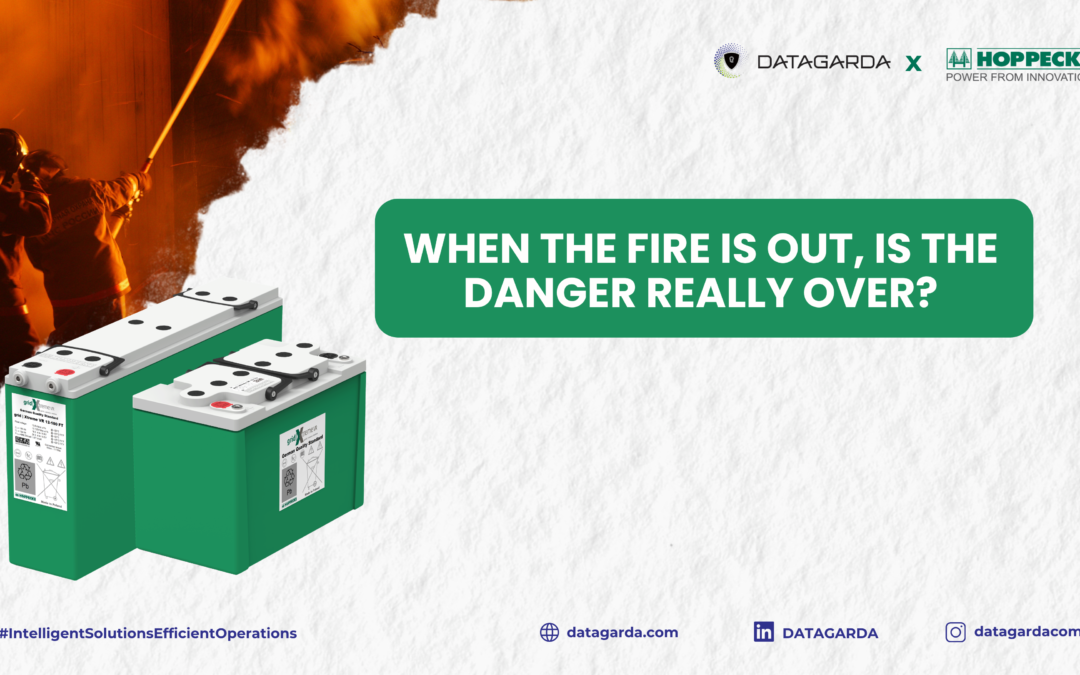
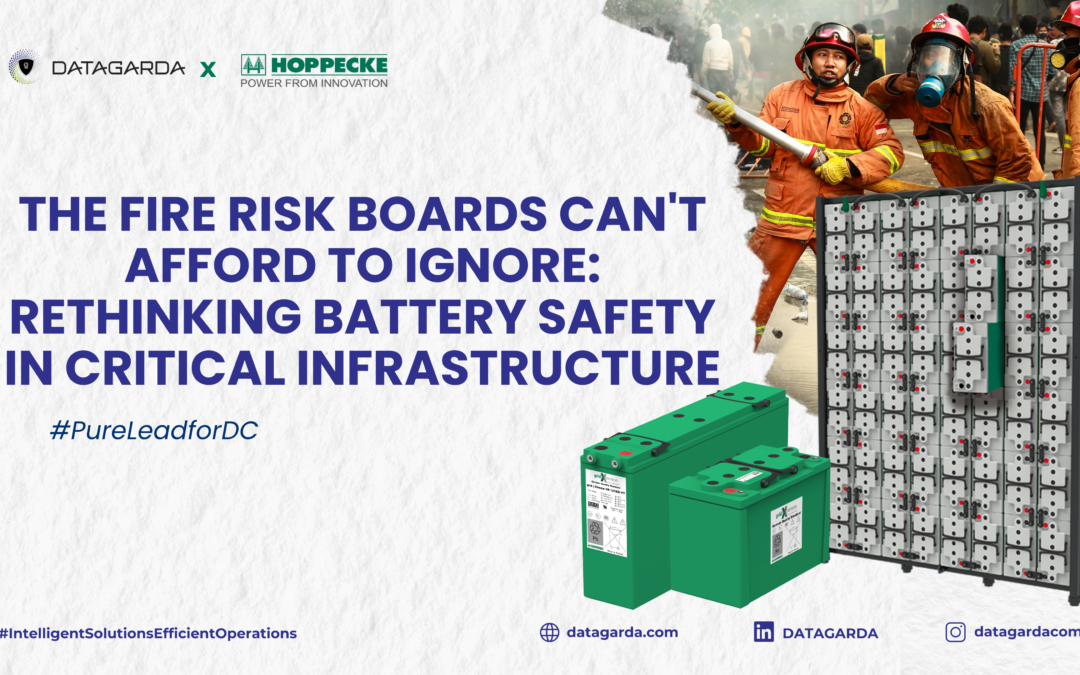
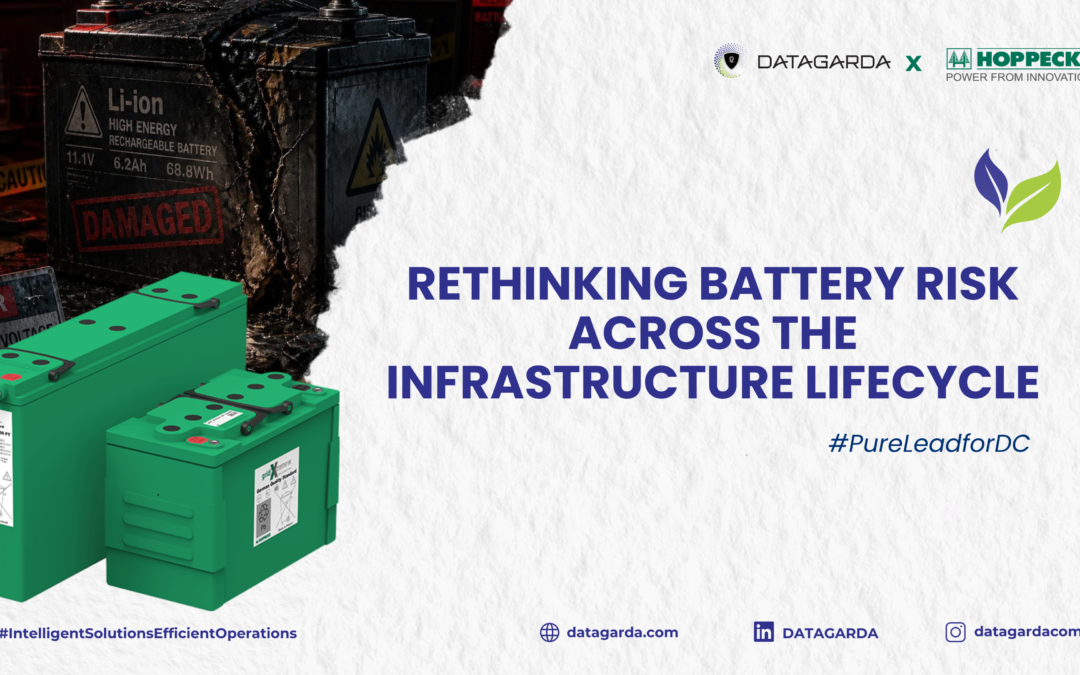
In recent years, growing industry attention has focused on battery-related incidents, particularly those involving thermal events, overheating, and fire risks in critical infrastructure environments. These incidents have prompted many organizations to reassess the role battery technology plays within their continuity and risk management strategies.
For data centers, resilience is no longer measured solely by backup runtime. It is measured by how safely and reliably backup power can operate under real-world conditions.
Why Battery Technology Matters in Continuity Planning
Business continuity planning is fundamentally about reducing operational risk.
An effective continuity strategy should address:
- Power availability
- Infrastructure reliability
- Equipment lifespan
- Safety compliance
- Environmental sustainability
- Total cost of ownership
This is where battery technology becomes a strategic decision rather than simply a procurement decision.
Organizations increasingly require solutions that can operate reliably under elevated temperatures, support long service life, reduce maintenance requirements, and provide greater protection against operational failures.
The Pure Lead Advantage
Pure Lead AGM battery technology has emerged as a preferred solution for many critical infrastructure applications where reliability and operational safety are paramount.
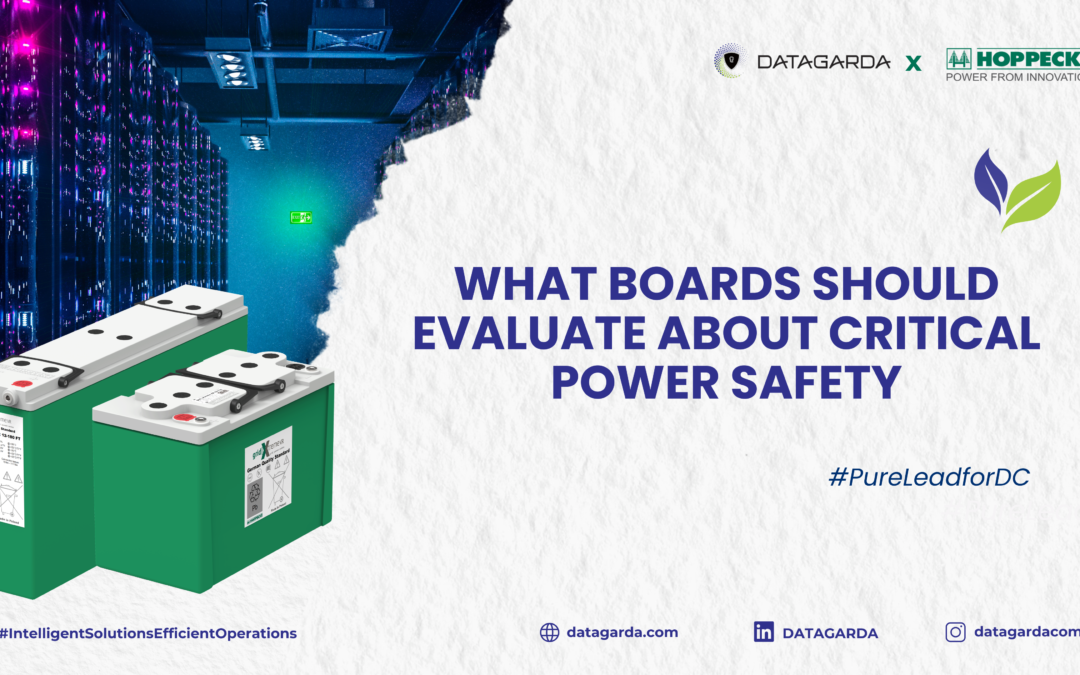
The HOPPECKE grid | Xtreme VR Pure Lead battery platform was developed specifically to support demanding environments requiring high reliability, extended service life, and resilience under elevated operating temperatures.
Key advantages include:
Enhanced Resilience Against Thermal Runaway
One of the key innovations within the HOPPECKE grid | Xtreme VR platform is its Enhanced Stability Standard (ESS) technology, designed to improve resilience against thermal runaway while supporting more stable battery performance and longer operational life.
For critical facilities, reducing the likelihood of thermal instability is a significant step toward improving overall infrastructure resilience.
Long Service Life for Critical Infrastructure
Battery replacement projects can introduce operational risk, maintenance complexity, and additional costs.
Pure Lead technology provides:
- Design life up to 15 years
- Improved corrosion resistance
- Optimized performance under high-current applications
- Stable operation over extended periods
This enables organizations to reduce lifecycle costs while improving continuity planning outcomes.
Reliable Performance in High-Temperature Environments
Data center operators continually seek ways to improve energy efficiency and reduce cooling costs.
The HOPPECKE grid | Xtreme VR platform is designed to operate within an exceptionally wide temperature range, making it suitable for demanding environments while reducing dependency on intensive cooling strategies.
This provides two important benefits:
- Increased operational flexibility
- Lower energy consumption associated with battery room cooling
For organizations pursuing sustainability objectives, these efficiencies contribute to broader ESG initiatives.
Reduced Maintenance Requirements
Operational simplicity is another critical factor in business continuity.
Pure Lead AGM batteries offer:
- Maintenance-free operation
- No water refilling requirements
- Simplified inspection procedures
- Extended storage capabilities
Reducing maintenance activities helps minimize operational disruptions while allowing teams to focus on higher-value infrastructure priorities.
Safety and Sustainability Can Work Together
Historically, organizations viewed safety, performance, and sustainability as competing priorities.
Today, they are increasingly interconnected.
HOPPECKE’s Pure Lead battery solutions support circular economy principles through an established recycling ecosystem and industry-leading recycling efficiency. Lead batteries remain one of the most recycled products globally, with recycling rates reaching approximately 99%.
This enables organizations to improve:
- Environmental responsibility
- Resource efficiency
- Regulatory compliance
- Long-term sustainability performance
For enterprises pursuing ESG targets, battery selection is becoming an increasingly important strategic consideration.
Building a More Resilient Data Center with Datagarda and HOPPECKE
Business continuity planning should not begin when a crisis occurs.
It should begin with infrastructure decisions made today.
As a strategic partner for critical infrastructure solutions, Datagarda helps organizations evaluate, design, and implement reliable power backup systems aligned with operational, safety, and business continuity objectives.
Together with HOPPECKE, Datagarda delivers:
- Critical power infrastructure assessments
- UPS battery modernization programs
- Pure Lead battery deployment
- Data center operational consulting
- Long-term infrastructure resilience planning
The goal is simple:
To help organizations move from reactive risk management toward proactive resilience.
Conclusion
Data center resilience is no longer defined solely by uptime.
It is defined by the ability to maintain safe, reliable, and sustainable operations under any condition.
As continuity planning becomes a strategic priority for modern enterprises, battery technology deserves a more prominent role in risk assessment and infrastructure planning.
The right battery solution can help reduce operational risk, improve reliability, lower lifecycle costs, and strengthen business continuity outcomes.
Ready to evaluate your critical power infrastructure?
Contact Datagarda today to learn how HOPPECKE Pure Lead battery solutions can support a safer, more resilient, and future-ready data center environment.
Talk to our experts and schedule a UPS infrastructure assessment today.