Modern data centers are built on one non-negotiable requirement: continuous availability.
From cloud platforms and financial systems to AI workloads and enterprise applications, every second of downtime can affect business continuity, customer trust, and operational performance. Behind this reliability is one of the most critical systems in the facility: the Uninterruptible Power Supply (UPS).
When the grid fails, fluctuates, or experiences instability, the UPS must respond within milliseconds. But the UPS is only as strong as the battery system supporting it.
This is why battery selection has become a strategic decision for modern data centers. It is no longer only about backup duration. It is about power density, safety, footprint, maintainability, lifecycle cost, operating temperature, and long-term reliability.
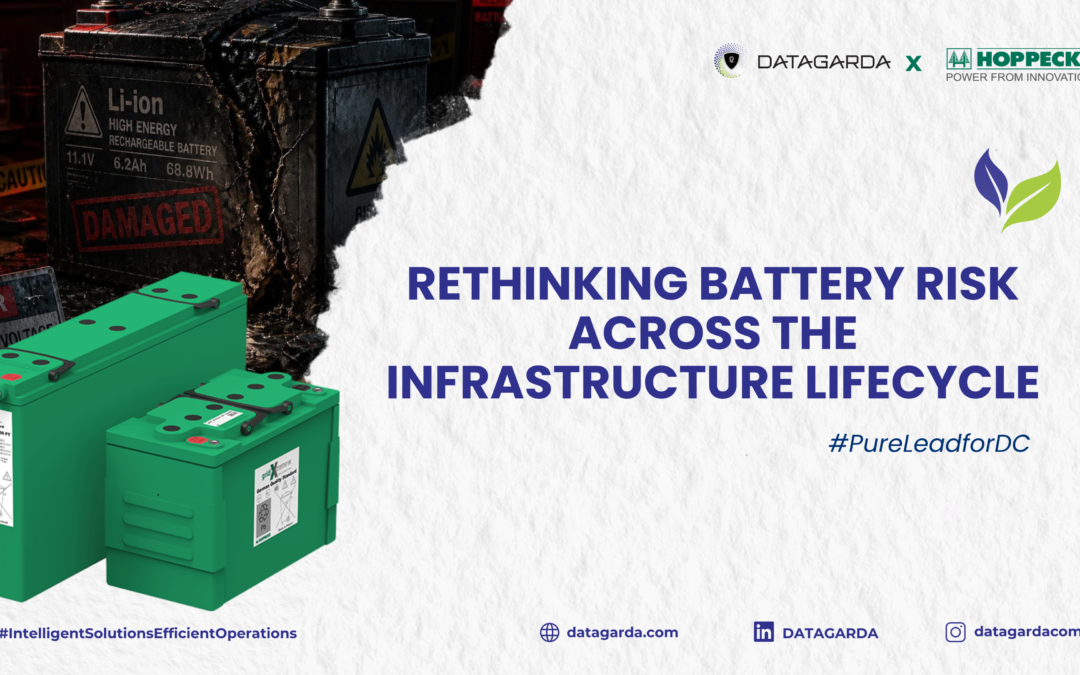
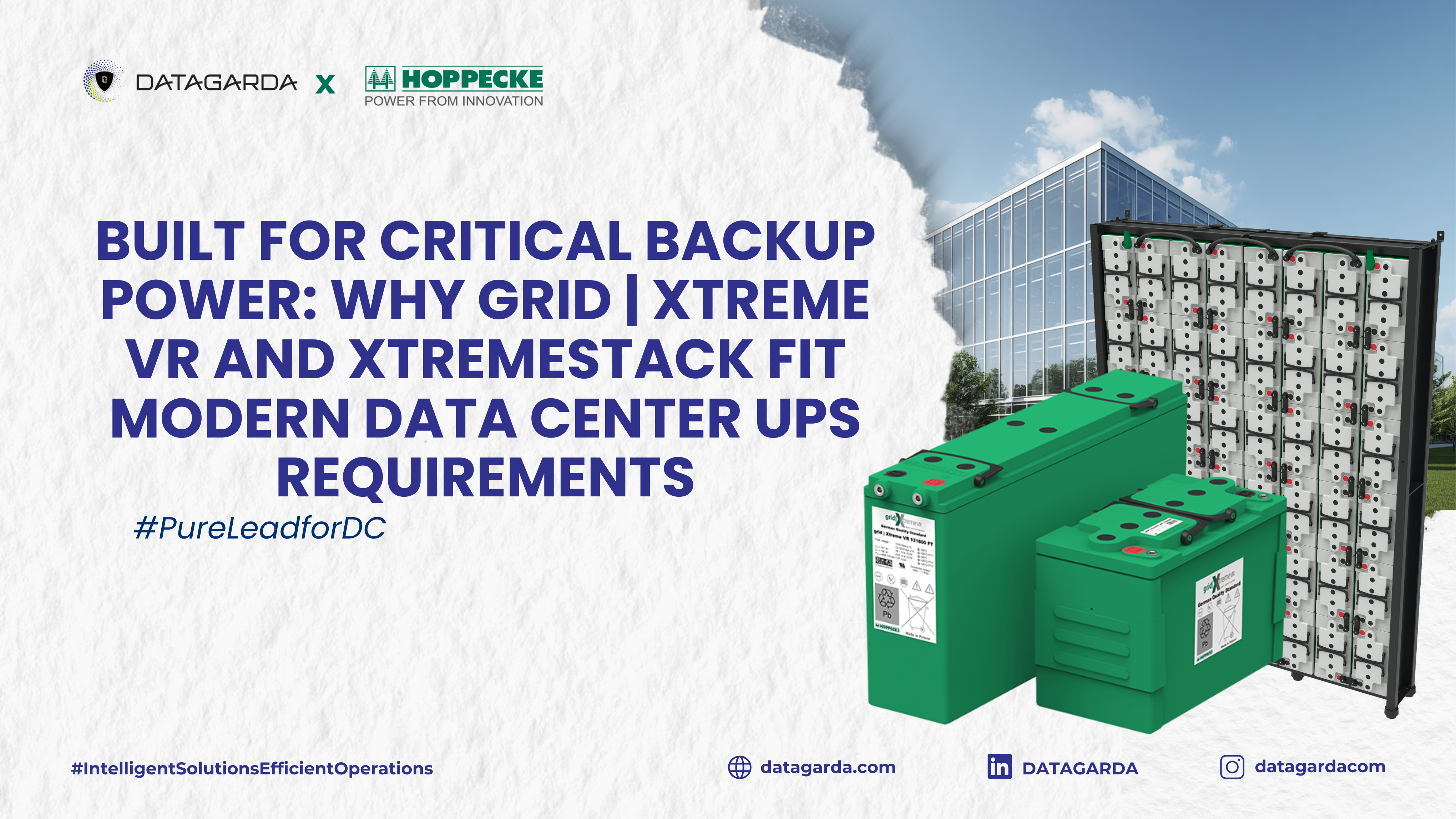
For data center operators looking for a robust UPS battery solution, HOPPECKE grid | Xtreme VR and grid | XtremeStack offer a strong combination of performance, flexibility, and space efficiency.
Why UPS Battery Requirements Are Changing
Data centers today operate in a more demanding environment than ever before.
Higher IT loads, denser racks, AI-driven workloads, and increased pressure on facility space have changed how operators evaluate backup power systems. A battery system must not only support short bridging times during power interruption, but also fit into limited battery rooms, simplify maintenance, and reduce operational complexity.
The HOPPECKE grid | Xtreme VR brochure highlights that UPS systems must respond immediately during voltage surges, mains frequency fluctuations, short circuits, or emergency power issues. When the UPS detects a problem, it switches power supply to the connected batteries within milliseconds.
In this environment, battery systems must support three priorities:
- Reliable high-current discharge
- Efficient use of space
- Simple serviceability and lifecycle management
This is where grid | Xtreme VR and grid | XtremeStack become relevant.
grid | Xtreme VR: Pure Lead Performance for Critical Backup Power
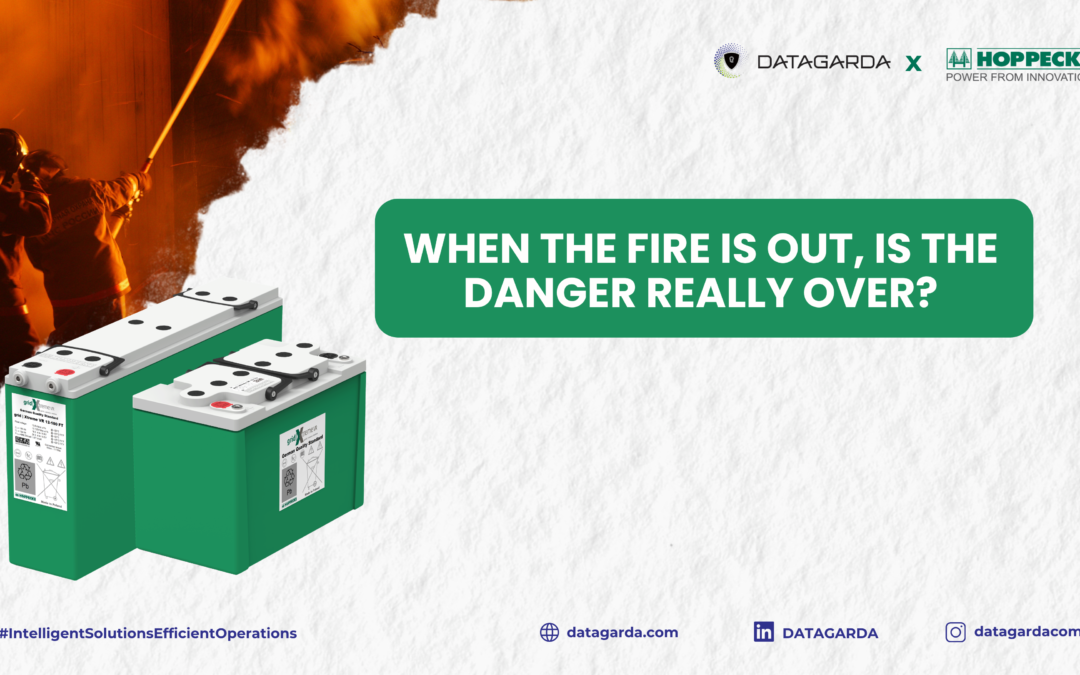
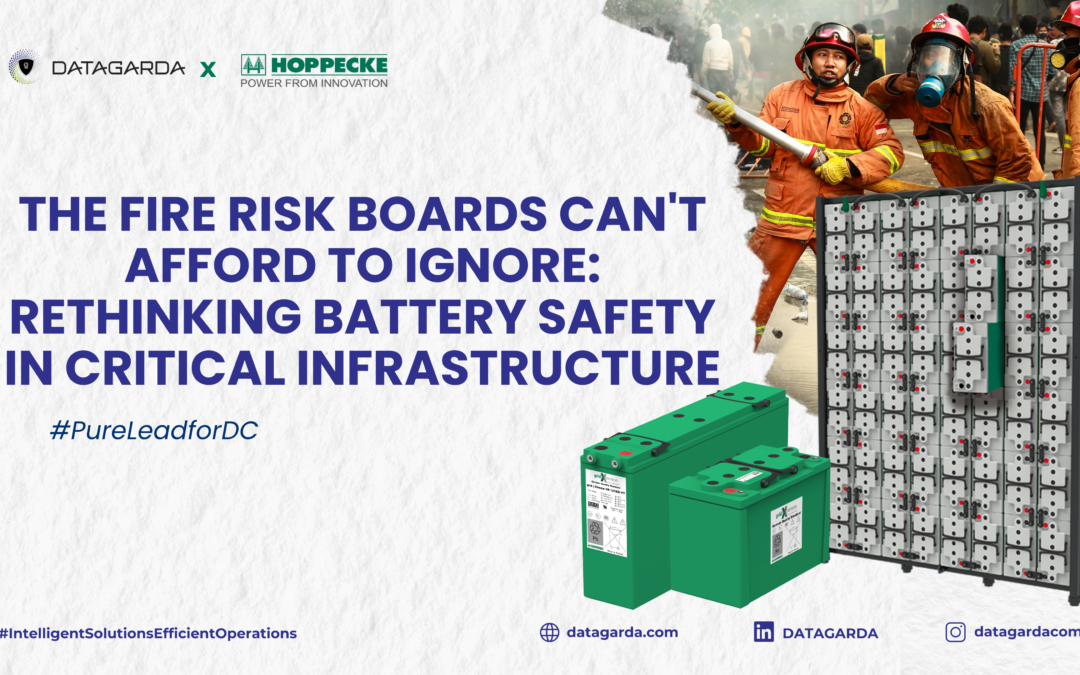
The HOPPECKE grid | Xtreme VR is a pure lead AGM battery designed for high-performance applications such as data centers and telecommunications. It is developed for use cases where long life, high reliability, and strong discharge performance are required.
What makes grid | Xtreme VR relevant for data center UPS systems is its combination of technical features:
High-performance pure lead technology
The battery uses pure lead grid electrodes to support strong corrosion resistance, high discharge performance, and long-term stability, even under elevated operating temperatures.
15-year design life
The data sheet highlights a 15-year design life and optimized aging behavior at high temperatures, making the product suitable for long-term standby power applications.
Wide operating temperature range
grid | Xtreme VR is designed with an operating temperature range from -40°C to +55°C, with suitability for permanently high operating temperatures and short peaks up to 60°C.
Reduced maintenance
The battery does not require refilling with distilled water, helping reduce maintenance effort across large battery installations.
Flexible installation
The battery can be installed vertically or horizontally on racks, in battery cabinets, or in grid | XtremeStack, supporting flexibility in different data center layouts.
For data centers, this means grid | Xtreme VR is not simply a battery product. It is a technical foundation for critical backup power systems where reliability, service life, and operational efficiency matter.
Why Space Efficiency Matters in Data Center Battery Rooms
Battery rooms are often under pressure.
As data center capacity grows, every square meter must be used efficiently. Operators need backup power systems that can deliver high performance without consuming excessive space. Traditional battery racks may meet power requirements, but they can limit flexibility when facilities need to scale.
This is one of the core reasons behind grid | XtremeStack.
HOPPECKE describes grid | XtremeStack as an innovative stacking solution tailored for grid | Xtreme VR top terminal batteries. It is designed to integrate a maximum number of batteries in a compact system while supporting scalability and serviceability.
According to the HOPPECKE brochure, grid | XtremeStack is both horizontally and vertically expandable, adapting flexibly to data center needs. Its modular design allows systems to grow or shrink with requirements, making it suitable for evolving UPS environments.
grid | XtremeStack: Designed for Modern UPS Space Challenges
The biggest value of grid | XtremeStack is its ability to improve space utilization without compromising performance.
In comparison with conventional battery racks, HOPPECKE highlights that grid | XtremeStack can reduce footprint and space requirements by up to 60%, while increasing power density by up to 153%. It also shows reductions in service costs and material and installation costs compared with conventional battery rack systems.
This makes grid | XtremeStack relevant for data centers facing challenges such as:
Limited battery room space
Higher UPS power requirements
Need for modular expansion
Pressure to reduce installation complexity
Maintenance access requirements
Long-term scalability planning
The grid | XtremeStack system uses a modular stacking approach with stable plug-in modules, centering and convection support, stacking aids, scalable support levels, tilt protection, and insulated PE coating.
For data center operators, this means more efficient use of physical space and a more structured system design.
Matching UPS Performance with Operational Practicality
A strong UPS battery system must perform under pressure, but it must also be manageable during normal operations.
The practical benefit of grid | Xtreme VR and grid | XtremeStack lies in how the battery and stacking system work together:
Performance
grid | Xtreme VR supports high-current discharge and long service life, making it suitable for critical backup power applications.
Space optimization
grid | XtremeStack helps reduce battery room footprint while improving battery density.
Flexibility
The system can be expanded horizontally and vertically, supporting changing UPS requirements.
Serviceability
Modular design and accessible installation help simplify maintenance and upgrades.
Lifecycle value
Reduced installation effort, lower maintenance complexity, and long design life can support better total cost of ownership.
In critical infrastructure, these factors are not optional. They directly influence how resilient, scalable, and manageable the UPS system becomes over time.
Supporting Sustainability and Circularity
Data center operators are also under increasing pressure to align infrastructure decisions with sustainability goals. Battery systems are part of this conversation.
HOPPECKE’s recycling reference states that lead batteries have a recycling efficiency of 99%, compared with lower recycling efficiency figures for several other product categories, including lithium-ion batteries at less than 15% in the referenced comparison. It also highlights a secured raw material supply chain, a sustainable take-back and recycling system, and certification according to ISO 9001, ISO 14001, ISO 50001, and OHSAS 18001.
For data centers, sustainability is not only about energy efficiency. It is also about selecting technologies that support responsible lifecycle management.
Why This Matters for Data Center Decision-Makers
For CIOs, facility managers, data center engineers, and infrastructure leaders, the UPS battery system should be evaluated through a broader lens.
A modern data center UPS battery solution should answer key questions:
Can it deliver reliable backup power during critical events?
Can it support high-current discharge requirements?
Can it fit into limited battery room space?
Can it be maintained efficiently?
Can it scale as power requirements grow?
Can it support long-term lifecycle and sustainability goals?
grid | Xtreme VR and grid | XtremeStack are designed to address these requirements through the combination of pure lead battery performance and compact modular stacking.
A More Strategic Approach to Backup Power
Backup power is not just a supporting system. It is part of the data center’s reliability strategy.
As data centers become more critical to digital services, operators must rethink how they design UPS battery infrastructure. The right system should not only deliver power during an outage, but also support operational confidence every day.
With grid | Xtreme VR and grid | XtremeStack, HOPPECKE offers a solution that aligns with modern data center priorities: reliability, high power density, space efficiency, modularity, maintainability, and lifecycle value.
For operators planning new facilities, upgrading UPS systems, or optimizing battery room layouts, this combination provides a practical path toward more resilient critical backup power.
Built for the Demands of Modern Data Centers
Modern data centers require backup power systems that are reliable, compact, serviceable, and ready for future growth.
The HOPPECKE grid | Xtreme VR battery provides pure lead performance, long design life, temperature resilience, and reduced maintenance. The grid | XtremeStack system adds modularity, space optimization, scalability, and efficient installation.
Together, they create a strong fit for data center UPS requirements where uptime, space, and operational reliability cannot be compromised.
Planning to review, upgrade, or optimize your data center UPS battery system?
Connect with DataGarda to explore how grid | Xtreme VR and grid | XtremeStack can support safer, more efficient, and more resilient critical backup power for your data center.