As Critical Infrastructure Grows, So Does the Importance of Battery Safety
The rapid growth of artificial intelligence (AI), cloud computing, hyperscale data centers, and digital infrastructure has significantly increased the demand for reliable critical power systems.
While organizations often evaluate battery technologies based on performance, runtime, and cost, one factor is becoming increasingly important in boardroom discussions: fire safety.
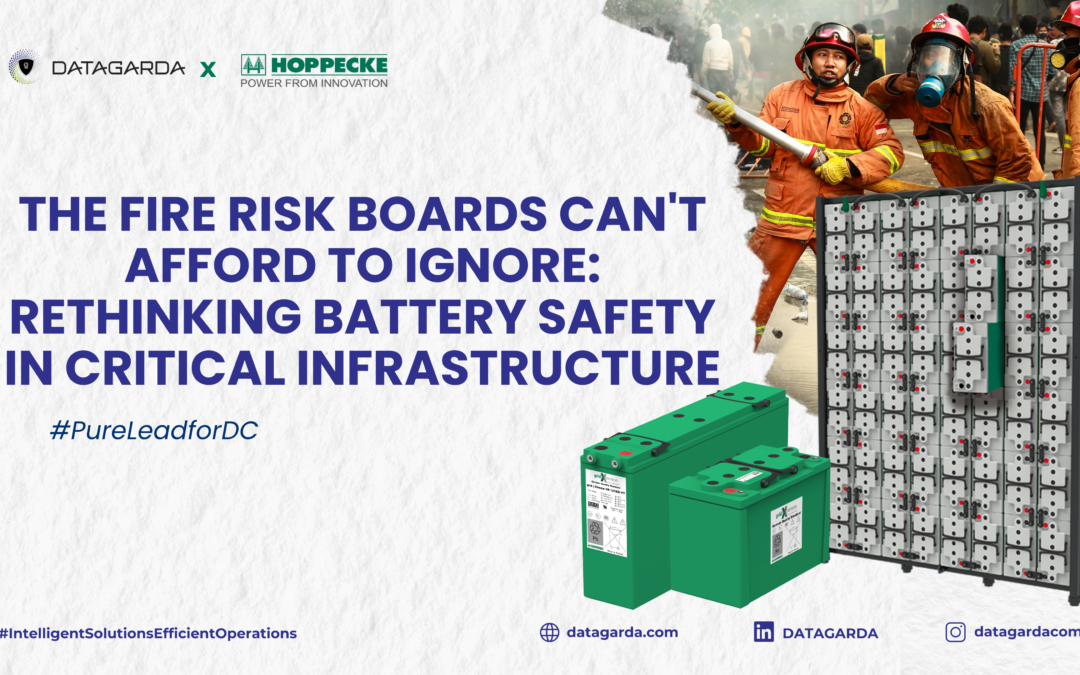
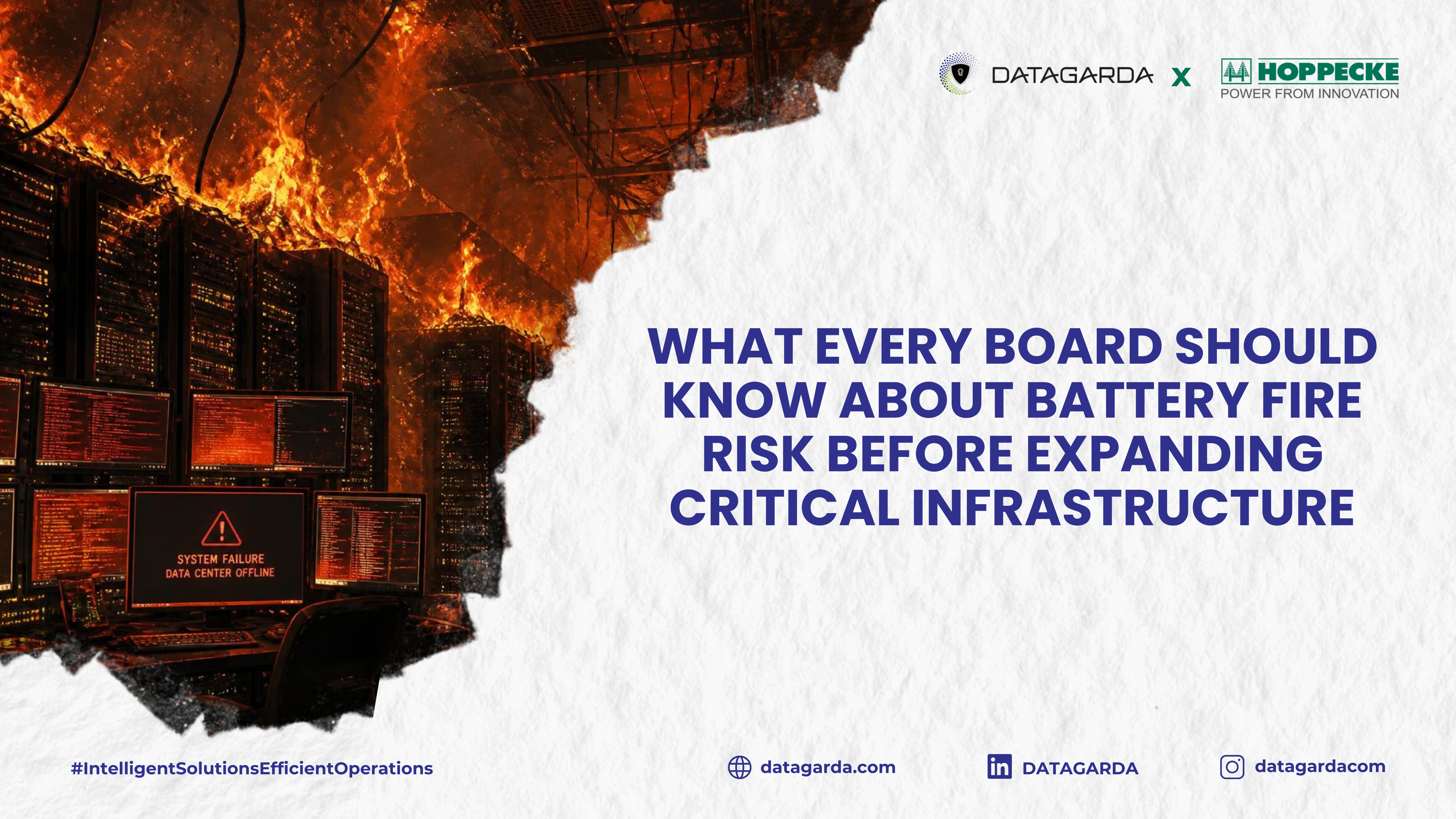
Recent incidents involving battery fires have highlighted the potential consequences of thermal runaway, reminding organizations that battery technology decisions are not only engineering choices—they are strategic business decisions.
For executives overseeing mission-critical facilities, understanding battery-related risks is now an essential part of infrastructure governance.
Why Battery Fire Risk Is a Board-Level Issue
Data centers are designed to provide continuous availability.
However, business continuity depends on more than redundant power systems. It also depends on the safety and reliability of the technologies supporting them.
A battery-related fire can lead to:
- Service disruption
- Equipment damage
- Operational downtime
- Regulatory challenges
- Financial losses
- Reputational impact
As digital infrastructure becomes central to business operations, battery safety is increasingly recognized as an enterprise risk management issue rather than simply a facilities concern.
Understanding Thermal Runaway
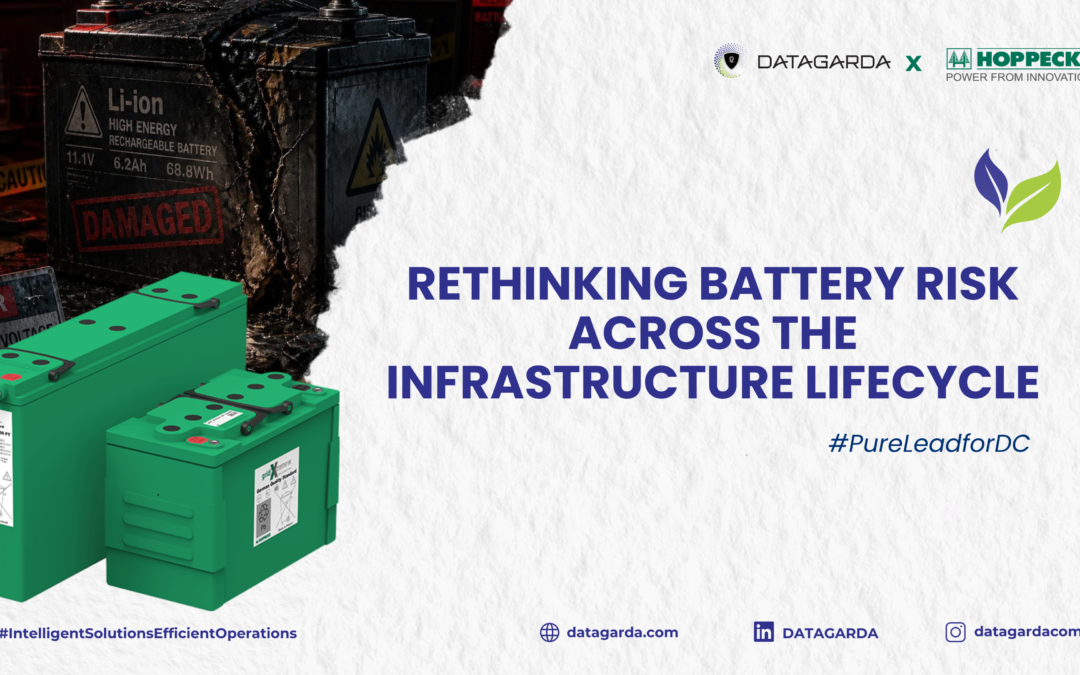
One of the most discussed risks associated with certain battery technologies is thermal runaway.
Thermal runaway is a chain reaction that occurs when excessive heat triggers an uncontrollable chemical reaction inside a battery cell. Once initiated, the reaction can rapidly generate additional heat, potentially leading to fire or explosion.
Industry experts identify several contributing factors, including:
- Excessive overheating
- Physical damage
- Overcharging
- Internal cell failure
Because thermal runaway can escalate quickly, prevention through technology selection, system design, monitoring, and operational planning is significantly more effective than emergency response alone.
Looking Beyond Performance Specifications
Battery selection has traditionally focused on metrics such as:
- Backup duration
- Energy density
- Installation footprint
- Initial investment cost
While these factors remain important, organizations should also evaluate:
- Fire safety characteristics
- Operational reliability
- Lifecycle performance
- Maintenance requirements
- Risk mitigation capabilities
- Business continuity impact
Infrastructure investments should be assessed based on their ability to support long-term resilience—not simply immediate operational requirements.
Questions Every Board Should Ask
Before approving critical infrastructure expansion, executive teams should consider:
- Have we evaluated battery safety alongside performance?
- How does our battery strategy support business continuity objectives?
- Are fire risks incorporated into our infrastructure risk assessment?
- Does our critical power design align with our long-term resilience strategy?
- Are lifecycle reliability and safety considered alongside capital expenditure?
These questions help organizations make more informed infrastructure decisions while reducing long-term operational risk.
Why Lifecycle Reliability Matters
Battery performance should be measured over its entire operational lifecycle.
An effective critical power strategy considers:
- Consistent long-term performance
- Predictable maintenance requirements
- Operational stability
- Reduced failure risk
- Lower total cost of ownership
- Long-term business resilience
Infrastructure decisions that prioritize lifecycle value often deliver stronger operational outcomes than those driven solely by initial acquisition cost.
Building Safer Critical Power Environments
Fire safety is not achieved through a single technology.
It is the result of an integrated strategy that combines:
- Appropriate battery technology selection
- Infrastructure design
- Environmental monitoring
- Preventive maintenance
- Operational governance
- Regular risk assessments
Organizations that take this holistic approach strengthen both operational resilience and executive confidence.
How DataGarda and HOPPECKE Support Critical Infrastructure Resilience
DataGarda and HOPPECKE work together to help organizations build safer and more resilient critical power environments.
By combining DataGarda’s expertise in data center operations, infrastructure assessments, governance, and operational excellence with HOPPECKE’s advanced Pure Lead battery technology, organizations can strengthen:
- Critical power reliability
- Fire risk mitigation strategies
- Infrastructure lifecycle performance
- Business continuity planning
- Long-term operational resilience
Together, we help organizations make infrastructure decisions that balance performance, safety, and long-term business value.
Conclusion
As organizations continue expanding digital infrastructure, battery technology should be evaluated through a broader strategic lens.
Performance remains important—but safety, lifecycle reliability, and business continuity have become equally critical considerations.
For today’s executives, understanding battery fire risk is no longer optional.
It is part of responsible infrastructure governance.
The organizations that lead tomorrow will be those that invest not only in powerful infrastructure, but also in resilient and safer critical power strategies.
Ready to strengthen your critical power strategy?
Partner with DataGarda and HOPPECKE to evaluate your critical power environment, improve infrastructure resilience, and build a long-term strategy that prioritizes safety, reliability, and business continuity.
Protect your infrastructure. Strengthen your resilience. Build with confidence.