As modern data centers continue to scale, operators are facing a growing challenge: how to maximize power capacity while minimizing physical space.
UPS battery rooms are often one of the most space-intensive areas inside critical infrastructure facilities. Traditionally, increasing backup capacity meant allocating more floor area, adding more racks, and increasing cooling requirements.
But what if data centers could achieve higher power density, lower operational costs, and better sustainability — without expanding battery room footprints?
This is where HOPPECKE’s grid | XtremeStack introduces a different approach.
The Space Challenge in Modern Data Centers
In high-density data centers, every square meter matters.
As AI workloads, cloud services, and edge deployments continue growing, operators are under pressure to:
- Increase rack density
- Improve energy efficiency
- Reduce cooling costs
- Optimize white space utilization
Battery systems are critical for uptime, but conventional UPS battery racks consume significant floor space and can become increasingly difficult to scale efficiently.
According to HOPPECKE’s system comparison, conventional battery racks require substantially more room volume and footprint compared to the modular grid | XtremeStack architecture.
What is grid | XtremeStack?
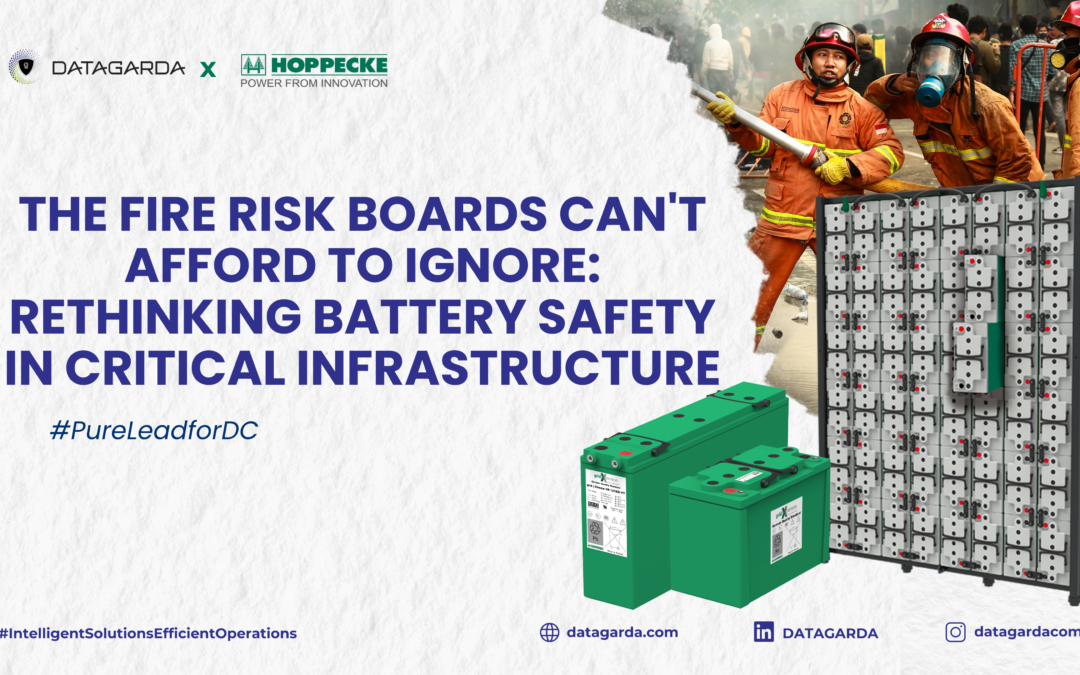
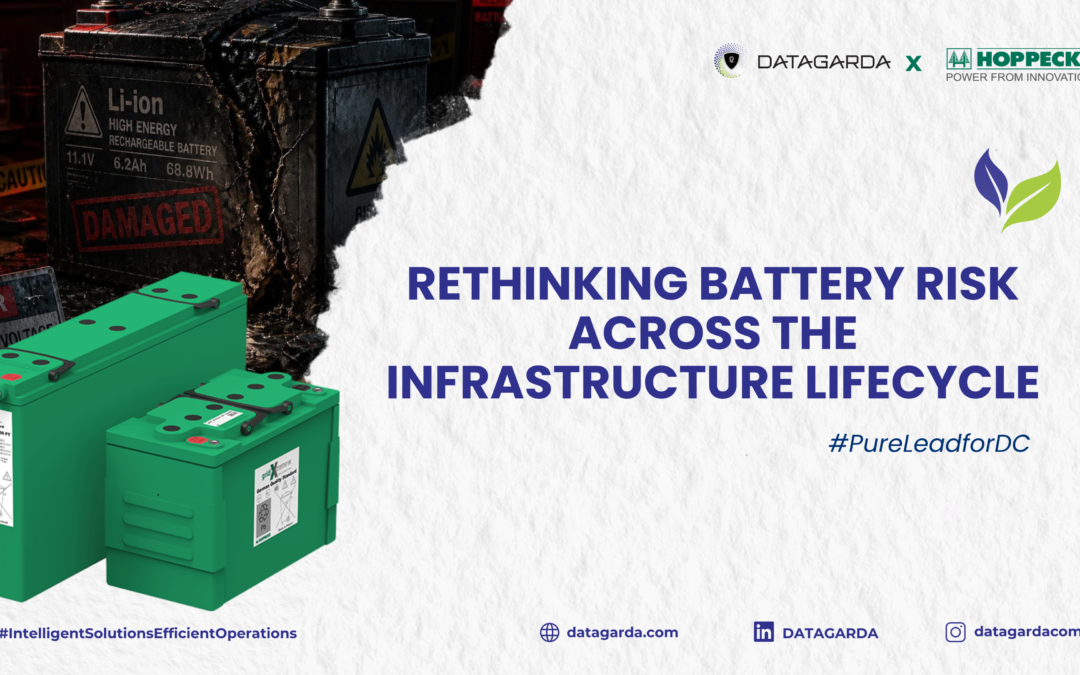
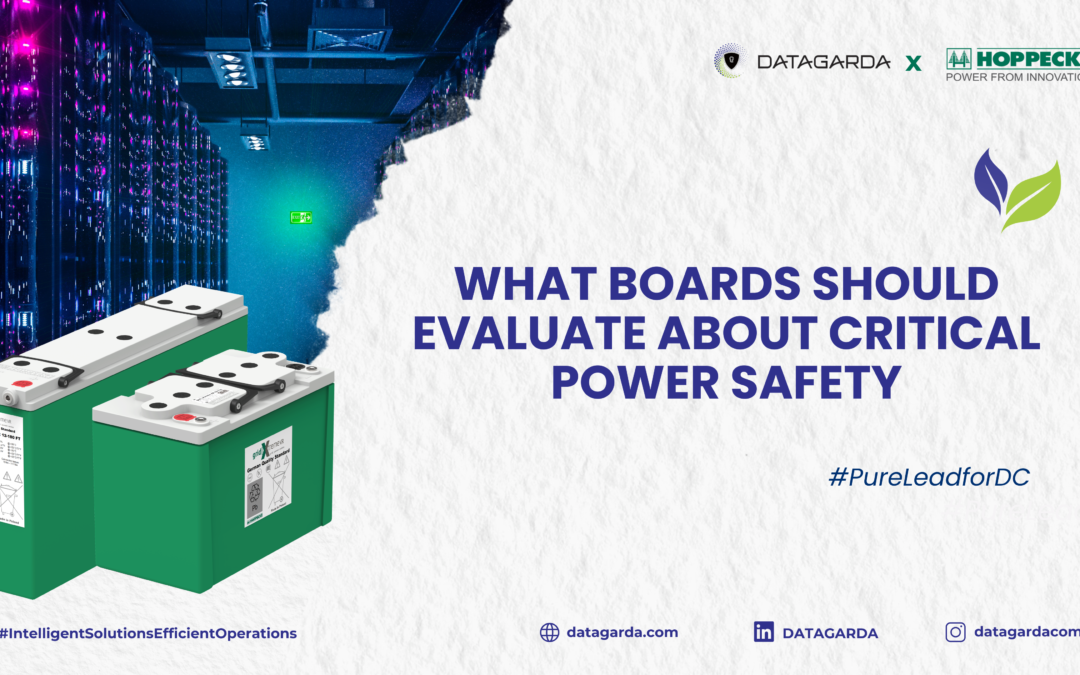
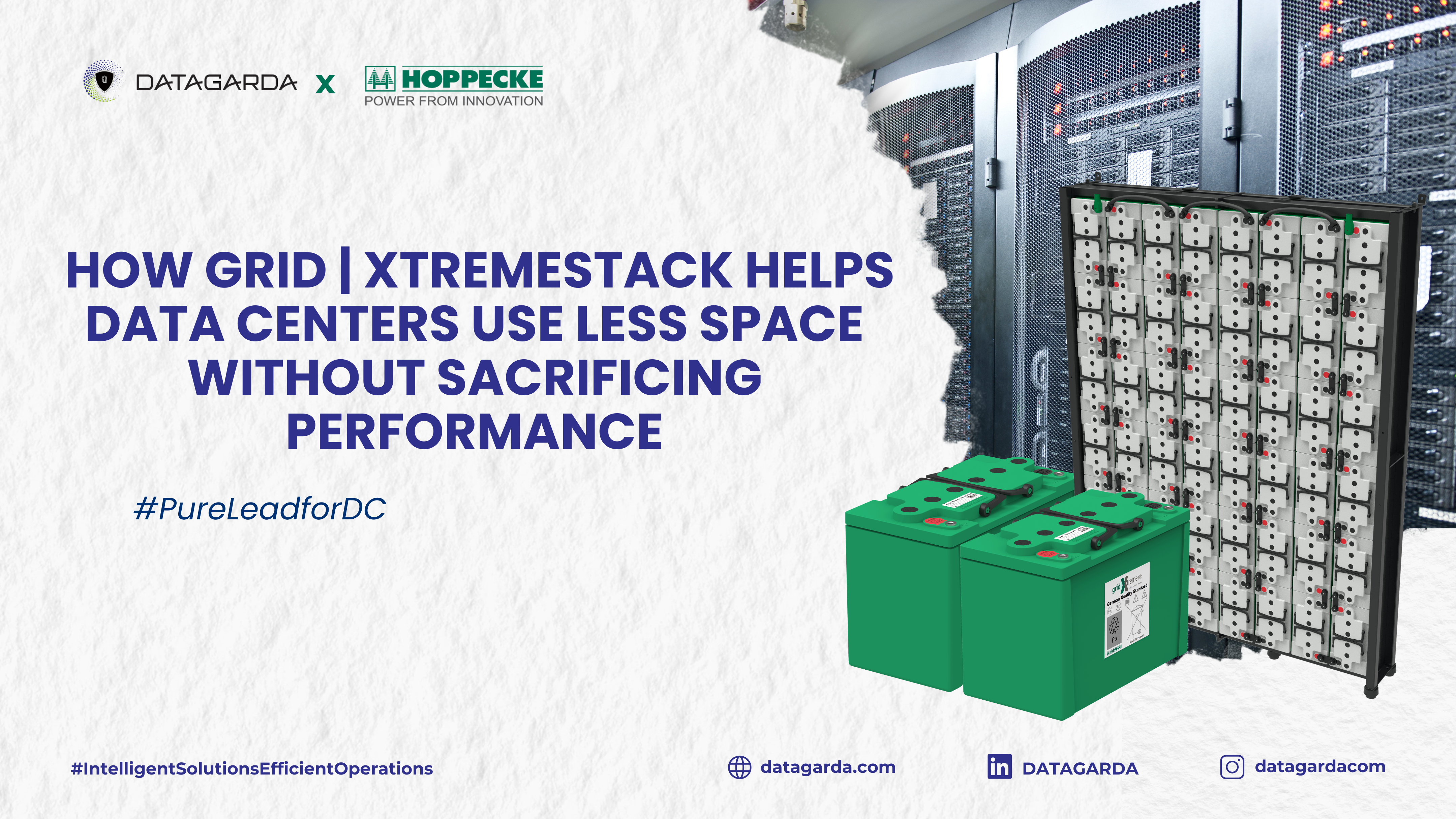
grid | XtremeStack is HOPPECKE’s innovative modular stacking solution specifically designed for grid | Xtreme VR pure lead batteries.
Unlike traditional battery racks, XtremeStack stores batteries vertically and without gaps, enabling significantly higher power density while maintaining easy maintenance access.
The system was developed specifically for mission-critical applications such as:
- Data Centers
- UPS Infrastructure
- Telecommunications
- Industrial backup systems
Smaller Footprint, Higher Density
One of the most compelling advantages of grid | XtremeStack is its ability to dramatically reduce required installation space.
According to HOPPECKE’s comparison data:
- Up to 60% reduction in space requirement
- Up to 60% reduction in footprint
- Up to 153% increase in power density
- Up to 20% more batteries within the same area
In one project simulation:
- Conventional racks accommodated 1,340 batteries
- grid | XtremeStack accommodated 1,632 batteries within the same 44m² area
This allows data centers to increase backup capacity without expanding physical battery rooms.
Lower Installation and Operational Costs
Space savings are only one part of the equation.
The modular architecture of XtremeStack also helps reduce:
- Installation complexity
- Maintenance effort
- Spare part requirements
- Deployment time
HOPPECKE’s project comparison indicates:
- Around 19% lower material and installation costs
- Around 15% lower annual maintenance costs
- Faster installation due to simplified modular assembly
The system can also be expanded horizontally and vertically, enabling flexible scalability as power requirements evolve.
Built for High-Temperature Data Center Environments
Cooling remains one of the largest operational expenses in data centers.
Traditional battery technologies often require tighter temperature control to maintain lifespan and reliability. However, HOPPECKE’s grid | Xtreme VR pure lead batteries are engineered for high-temperature operation.
The batteries support operating temperatures up to 55°C, while still maintaining:
- High reliability
- Fast charging capability
- Long service life up to 15 years
A HOPPECKE whitepaper also notes that increasing battery room operating temperatures from 20°C to 30°C can reduce air conditioning energy costs by approximately 40%.
For tropical regions and high-density facilities, this creates significant opportunities to reduce OPEX.
Sustainability Matters Too
As sustainability targets become increasingly important, battery lifecycle management is receiving greater attention.
Lead batteries continue to offer one major environmental advantage:
- Approximately 99% recycling efficiency for lead batteries
- Compared to less than 15% recycling rates currently associated with lithium-ion batteries
HOPPECKE also operates certified closed-loop recycling systems, helping support circular economy initiatives within critical infrastructure industries.
Datagarda Perspective
At Datagarda, we believe that UPS infrastructure should not only provide uptime — it should also improve operational efficiency, scalability, and sustainability.
The combination of:
- High power density
- Reduced footprint
- Lower cooling demand
- Flexible scalability
- Long lifecycle performance
makes HOPPECKE’s grid | XtremeStack a compelling solution for modern data center operators looking to optimize critical power infrastructure without compromising reliability.
Conclusion
As data centers continue evolving, battery infrastructure must evolve as well.
The future of UPS battery rooms is no longer about simply adding more racks. It is about maximizing efficiency within existing space while reducing operational complexity and improving sustainability.
HOPPECKE’s grid | XtremeStack demonstrates that data centers can achieve all three:
- Less space
- Lower cost
- High-performance backup power
without sacrificing reliability.