As the global economy becomes increasingly digital, data centers have become the backbone of modern infrastructure. From cloud computing and financial services to streaming platforms and AI workloads, nearly every digital interaction depends on the reliability of data center operations.
While discussions around digital infrastructure often focus on energy efficiency and renewable power, another critical component is gaining attention: battery sustainability.
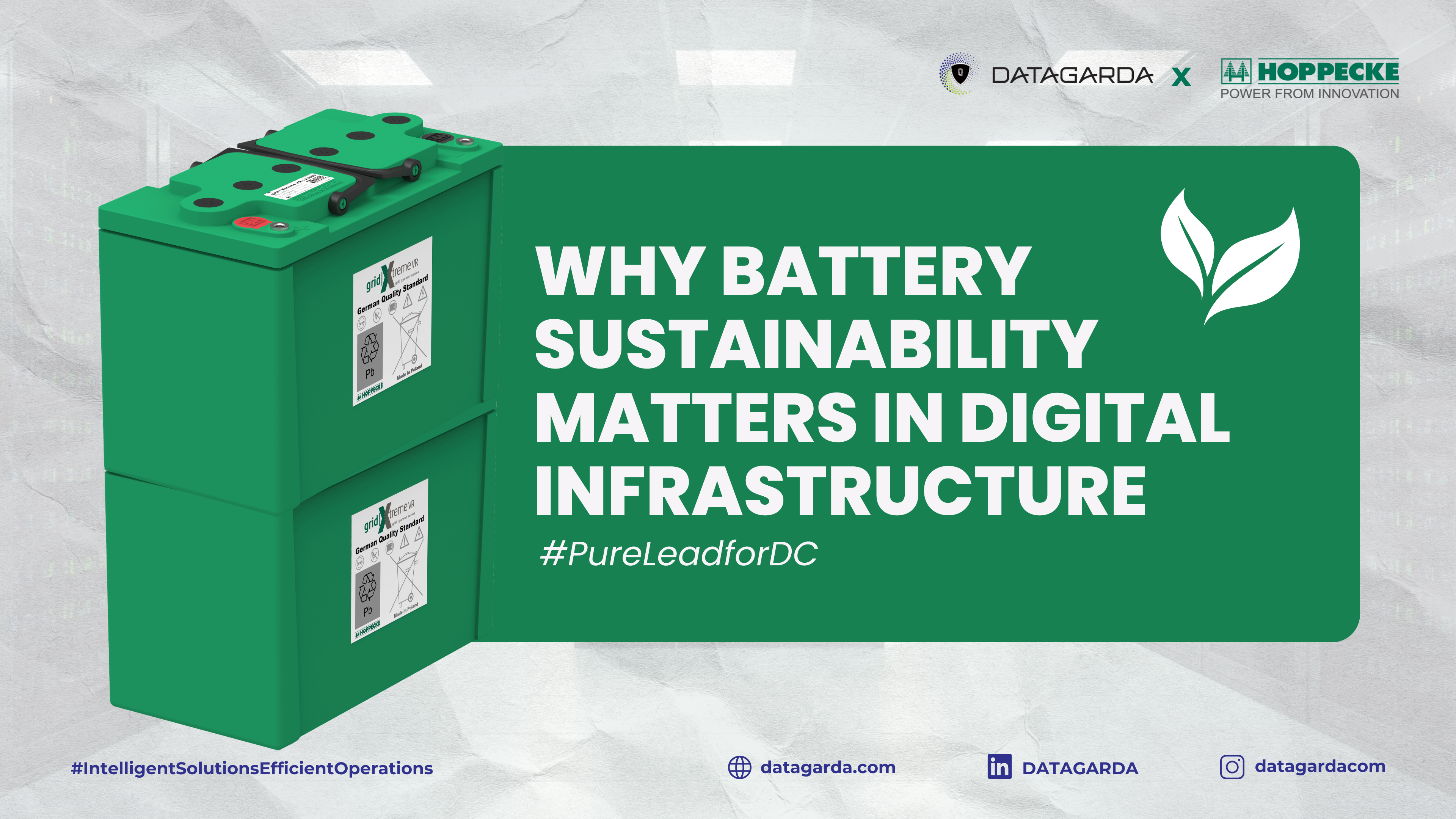
Battery systems are essential to data center resilience, supporting uninterruptible power supply (UPS) systems that ensure continuous operation during power disturbances. However, the environmental and lifecycle impact of battery technology is becoming an increasingly important consideration for infrastructure operators.
Sustainable battery strategies are no longer optional—they are becoming a core element of responsible digital infrastructure.
The Growing Sustainability Pressure on Data Centers
Governments, investors, and customers are placing increasing pressure on data center operators to improve environmental performance. Sustainability reporting, carbon reduction targets, and ESG commitments are now part of strategic planning across the industry.
Most sustainability initiatives focus on:
- Renewable energy adoption
- Power Usage Effectiveness (PUE) optimization
- Efficient cooling systems
Yet batteries—an essential component of critical power systems—also play a significant role in the environmental footprint of digital infrastructure.
Battery technology choices affect not only operational reliability but also long-term environmental impact.
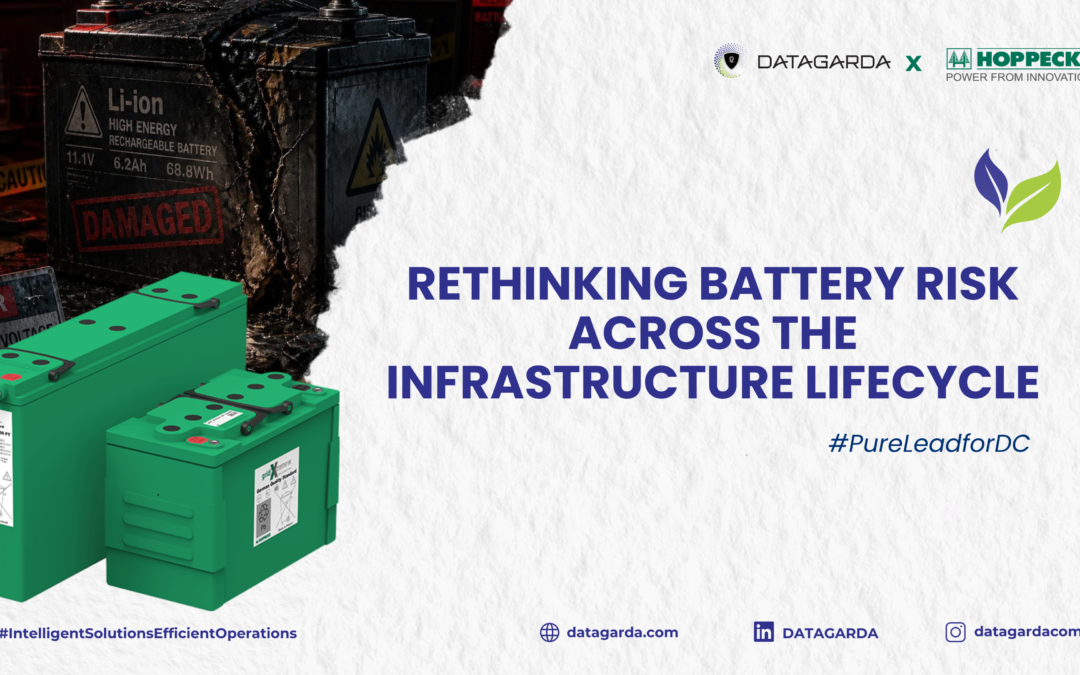
The Lifecycle Impact of Battery Systems
Sustainability in battery systems must be evaluated across their entire lifecycle, including:
- Raw Material Sourcing
Different battery chemistries require different materials. The sourcing and processing of these materials can have significant environmental and social implications. - Manufacturing Footprint
Energy consumption and resource intensity during battery production contribute to overall carbon emissions. - Operational Lifetime
Longer battery lifespans reduce the need for frequent replacement, minimizing waste and resource consumption. - End-of-Life Recycling
The recyclability of battery components plays a crucial role in reducing environmental impact and supporting circular economy principles.
In critical infrastructure environments, selecting battery technology with a responsible lifecycle profile can significantly improve sustainability performance.
The Role of Battery Reliability in Sustainability
Sustainability is not only about environmental impact—it is also about system stability and long-term operational efficiency.
Unreliable battery systems can lead to:
- Premature replacements
- Increased material waste
- Higher operational costs
- Greater environmental footprint over time
Conversely, stable battery technologies designed specifically for standby power applications can support longer service life and more predictable performance.
Reliability, therefore, becomes a key component of sustainable infrastructure design.
Circular Economy and Battery Recycling
One of the most important aspects of sustainable battery technology is the ability to support a circular lifecycle.
Battery systems with high recyclability enable valuable materials to be recovered and reused, significantly reducing environmental impact. Mature recycling ecosystems also ensure responsible disposal and minimize hazardous waste.
In industries where infrastructure is expected to operate for decades, adopting technologies that support closed-loop material recovery aligns strongly with long-term sustainability goals.
Sustainability as a Strategic Infrastructure Decision
As digital infrastructure continues to expand globally, the sustainability of every component within the data center ecosystem will come under increasing scrutiny.
Forward-thinking operators are beginning to evaluate battery technology not only based on performance metrics but also on:
- Lifecycle environmental impact
- Recyclability and material recovery
- Long-term operational stability
- Alignment with ESG commitments
Battery sustainability is becoming a strategic decision that influences both environmental responsibility and infrastructure resilience.
Digital infrastructure is growing at an unprecedented pace, and with it comes greater responsibility to build systems that are both reliable and sustainable.
Battery technology sits at the intersection of resilience and environmental stewardship. Choosing sustainable battery solutions helps reduce lifecycle impact, support circular economy practices, and ensure stable long-term operation.
For modern data centers, sustainability is not just about how power is generated—it is also about how that power is stored and managed.