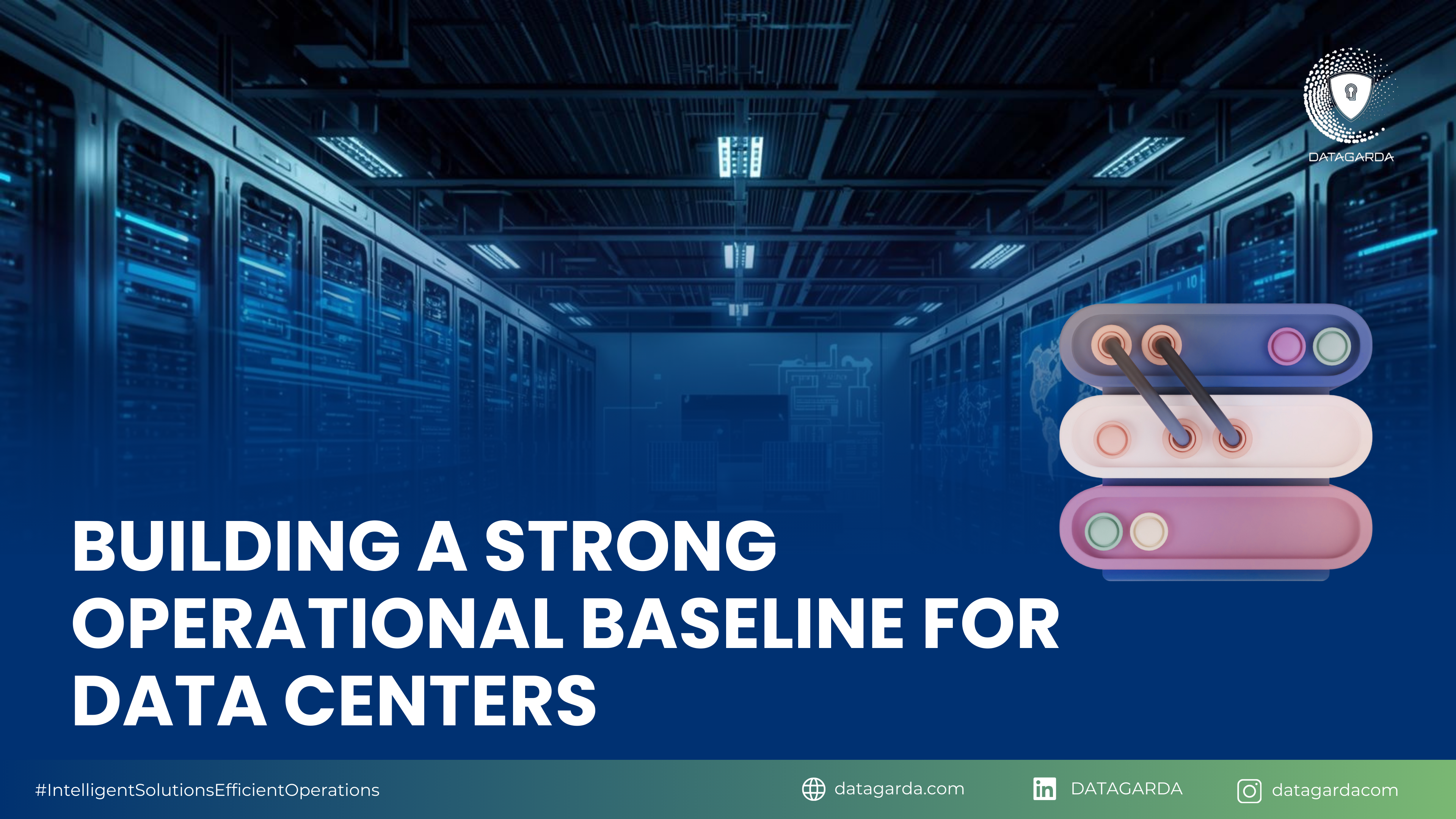
In mission-critical environments such as data centers, operational success does not begin with advanced technology alone. It begins with a strong operational baseline—a structured foundation that ensures systems, teams, and processes function reliably from the very first day of operation.
Without this baseline, organizations often struggle with inconsistent performance, operational inefficiencies, and increased risk exposure. Establishing a clear operational foundation is essential for maintaining reliability, scalability, and long-term infrastructure performance.
1. Defining the Operational Baseline
An operational baseline refers to the minimum operational standards, procedures, and controls required to run a data center consistently and safely.
This baseline typically includes:
- Clearly defined Standard Operating Procedures (SOP)
- Maintenance procedures such as Method of Procedure (MOP)
- Emergency Operating Procedures (EOP)
- Monitoring and reporting frameworks
- Defined operational roles and responsibilities
Together, these elements form the operational structure that supports daily activities.
2. Standardization as the Foundation
Standardization is one of the most critical components of an operational baseline. Without standardized procedures, teams may approach similar tasks in different ways, creating variability that increases operational risk.
Standardized processes provide:
- Consistent task execution
- Faster troubleshooting and incident response
- Improved compliance and audit readiness
- Predictable operational performance
When procedures are standardized, operational outcomes become more reliable and repeatable.
3. Visibility and Monitoring
Operational baselines must also include strong monitoring capabilities.
Modern data center environments require continuous visibility into infrastructure performance, including:
- Power and cooling systems
- Network connectivity
- Environmental conditions
- Equipment health and performance indicators
Real-time monitoring allows teams to detect anomalies early and respond proactively before issues escalate into larger disruptions.
4. Talent and Operational Discipline
A strong operational baseline cannot exist without skilled professionals who understand how to execute procedures effectively.
Organizations should focus on:
- Structured training programs
- Certification and competency validation
- Scenario-based operational drills
- Continuous knowledge development
Well-trained personnel ensure that procedures are applied consistently and correctly.
5. Governance and Continuous Improvement
Operational baselines should not remain static. As infrastructure evolves and digital demand increases, operational frameworks must adapt accordingly.
Effective governance includes:
- Operational performance metrics
- Incident review processes
- Regular process audits
- Continuous improvement initiatives
These mechanisms ensure that operational maturity develops over time.
Building a strong operational baseline is essential for ensuring reliable data center performance. By establishing standardized procedures, continuous monitoring, skilled operational teams, and governance frameworks, organizations create a foundation that supports both stability and growth.
At DataGarda, we help organizations establish and strengthen operational baselines that enable reliable, scalable, and resilient data center environments.