
In modern data centers, power continuity is non-negotiable. Uninterruptible Power Supply (UPS) systems are designed to protect critical operations from outages, fluctuations, and sudden power loss. However, the reliability of a UPS system is only as strong as the battery technology behind it.
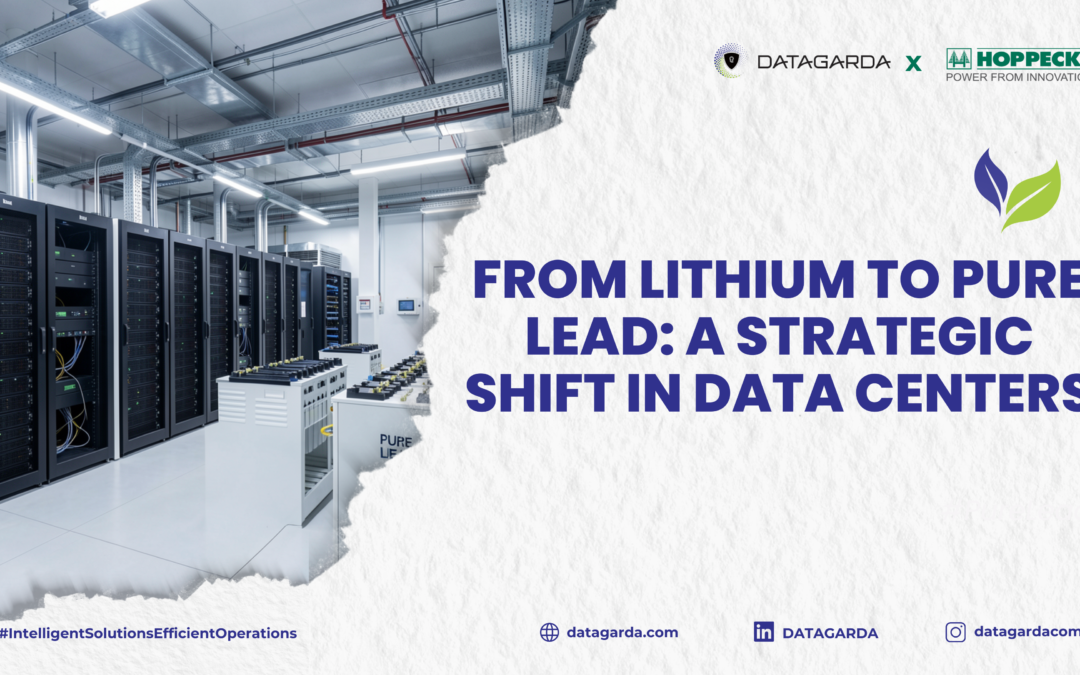
In recent years, multiple data center incidents have revealed a dangerous reality: lithium-ion batteries introduce thermal runaway risks that are incompatible with mission-critical infrastructure. As a result, many operators are reassessing their energy strategy and turning to a safer alternative—pure lead batteries.
What Is Thermal Runaway?
Thermal runaway is a failure mechanism where a battery cell experiences an uncontrollable temperature increase. Once initiated, the reaction accelerates rapidly, releasing heat, gas, and energy that can trigger fires or explosions.
In lithium-ion batteries, thermal runaway can be caused by:
- Internal short circuits
- Overcharging or electrical faults
- Manufacturing defects
- Elevated ambient temperatures
- Physical damage or aging
Once a lithium cell enters thermal runaway, the reaction cannot be stopped, and adjacent cells often ignite within seconds. This chain reaction is the primary cause of large-scale battery fires in data centers.
Why Lithium Batteries Are Vulnerable
Lithium-ion batteries store high energy density in compact cells. While this may be advantageous for consumer electronics, it becomes a major liability in data center environments.
Key risks include:
- Self-propagating fire behavior (one failing cell ignites others)
- Oxygen generation during failure, making fires extremely difficult to suppress
- Violent failure modes, including explosions and toxic gas release
- Unpredictable behavior under fault conditions
For facilities that require predictable, stable, and safe power backup, lithium-ion chemistry introduces unnecessary risk.
Why Pure Lead Batteries Have No Thermal Runaway Risk
Pure lead batteries operate on a fundamentally different electrochemical principle. Their design and chemistry eliminate the conditions that cause thermal runaway.
Key reasons why pure lead batteries do not experience thermal runaway include:
1. No Self-Ignition Mechanism
Pure lead batteries are non-flammable. They do not contain reactive materials that can self-ignite or sustain combustion under electrical or thermal stress.
2. Stable Failure Behavior
In abnormal conditions, pure lead batteries fail in a controlled and predictable manner. They do not propagate heat or fire from one cell to another.
3. Lower Heat Generation
Pure lead technology is engineered to minimize internal resistance and heat buildup, even during high-current discharge or partial state-of-charge operation.
4. No Chain Reaction
Unlike lithium-ion systems, pure lead batteries do not create cascading failures. A single fault remains isolated and does not escalate into a system-wide event.
Why This Matters for Data Centers
Data centers are designed around risk elimination, not risk management. Any technology that introduces fire or explosion potential directly contradicts this principle.
By using pure lead batteries, data center operators benefit from:
- Fire-safe UPS environments
- Simplified fire suppression design
- Improved personnel safety
- Reduced downtime risk
- Greater compliance with Tier III and Tier IV expectations
Pure lead batteries align with the fundamental goal of backup power systems: to protect infrastructure, not endanger it.
Safety Without Compromising Performance
Beyond safety, pure lead batteries also deliver:
- Long service life in standby applications
- High reliability under harsh operating conditions
- Low maintenance requirements
- Fully recyclable materials with closed-loop recycling
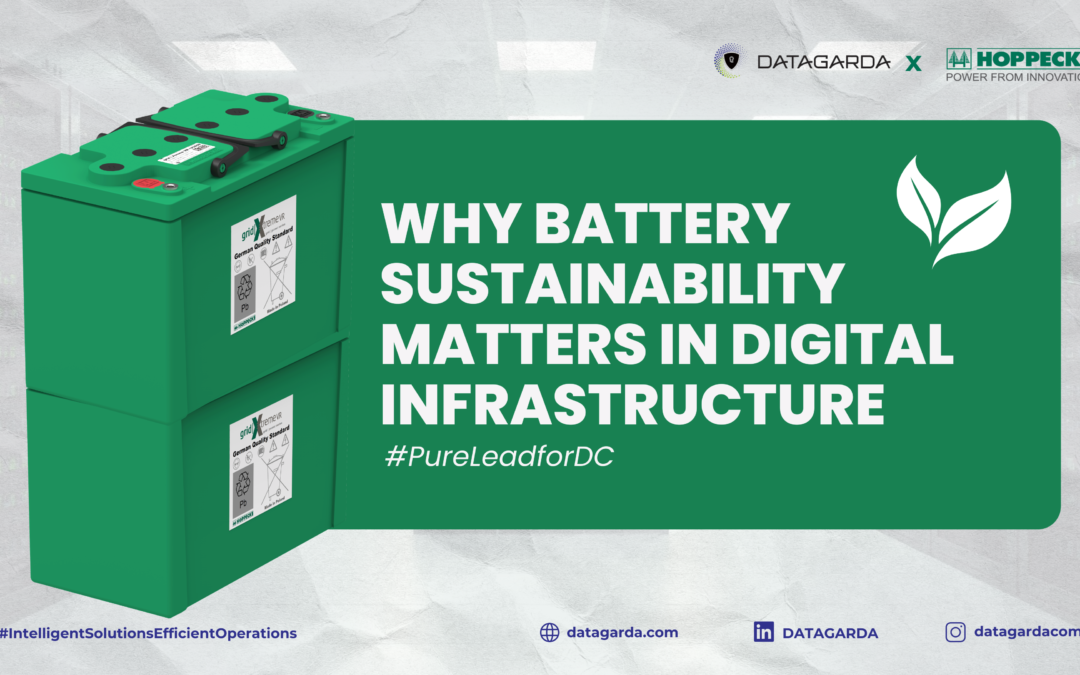
This makes pure lead technology not only safer, but also more sustainable and economically sound for long-term data center operations.
Thermal runaway is not a theoretical risk—it is a documented and recurring threat in data centers that rely on lithium-ion batteries.
Pure lead batteries eliminate this risk entirely through non-flammable chemistry, stable behavior, and controlled failure modes. For data centers where uptime, safety, and trust are paramount, pure lead batteries represent the safest path forward for critical power backup.