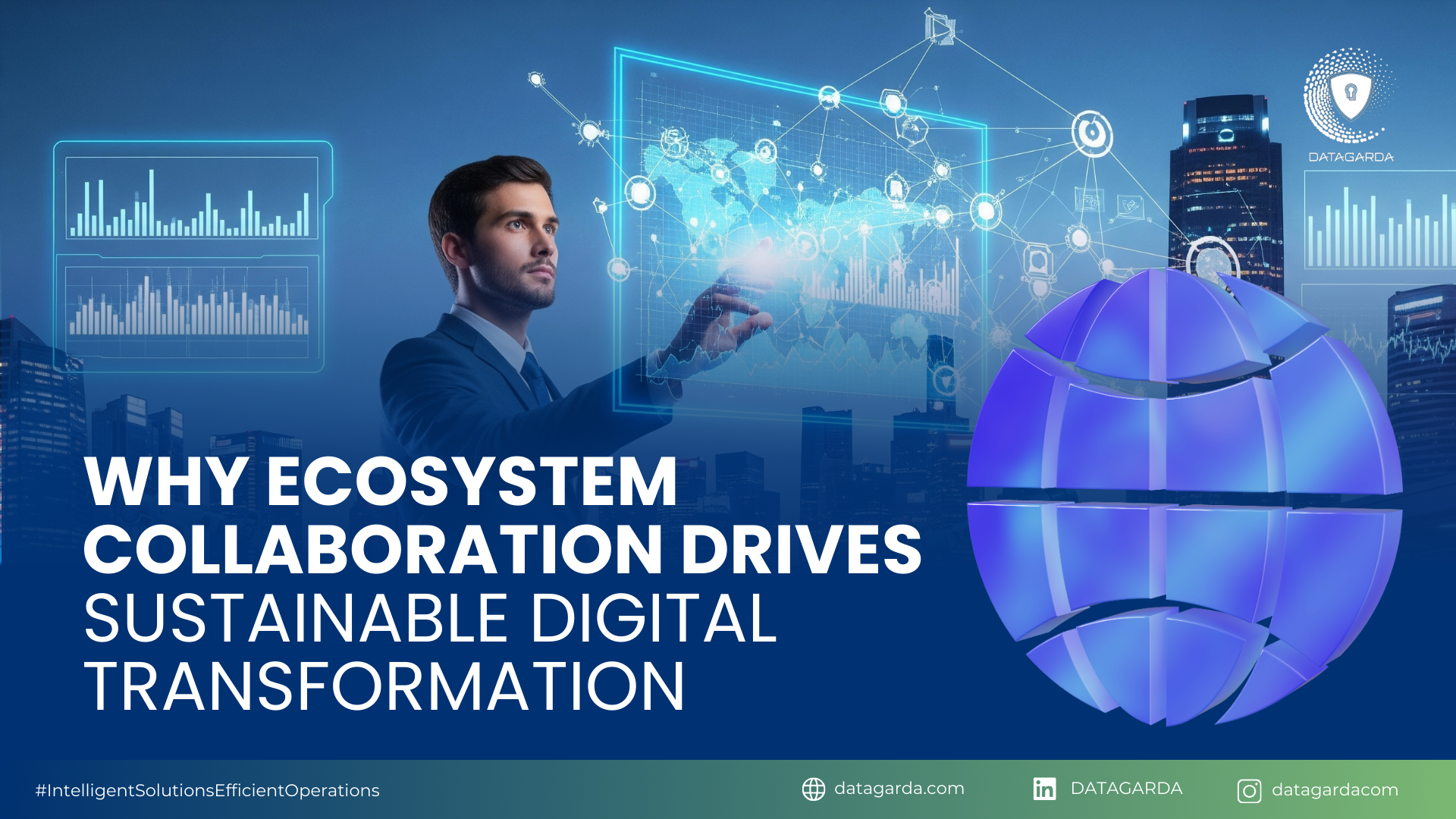
Digital transformation is no longer defined by technology adoption alone. As organizations accelerate cloud migration, AI implementation, and infrastructure expansion, the complexity of digital ecosystems continues to grow. Sustainable transformation requires more than isolated efforts—it demands collaboration across a connected ecosystem of partners, talent, standards, and technology.
In mission-critical environments such as data centers and digital infrastructure, ecosystem collaboration is a key driver of long-term resilience, scalability, and innovation.
This article explores why collaborative ecosystems are essential to sustainable digital transformation—and how organizations can unlock their full potential.
1. Digital Transformation Is a System, Not a Single Project
Digital transformation spans multiple layers: infrastructure, operations, cybersecurity, digital platforms, governance, and talent. No single organization can deliver excellence across all layers independently.
A sustainable transformation requires collaboration between:
- Infrastructure owners and operators
- Engineering and construction partners
- Cybersecurity and monitoring specialists
- Certification and standards bodies
- Educational institutions and talent providers
Ecosystem collaboration ensures alignment across these interconnected domains.
2. Reducing Risk Through Shared Expertise
One of the biggest threats to digital transformation is risk—operational, technical, and human.
Collaborative ecosystems help reduce risk by:
- Combining specialized expertise
- Sharing operational best practices
- Aligning SOPs, MOPs, and EOPs across teams
- Improving incident response coordination
- Reducing knowledge silos
In data center environments, this collective approach significantly lowers the likelihood of downtime and security incidents.
3. Enabling Scalability and Long-Term Growth
Digital growth rarely follows a linear path. Sudden demand spikes, new regulatory requirements, and emerging technologies require organizations to scale quickly and intelligently.
Ecosystem collaboration enables:
- Faster infrastructure expansion
- Better integration of new technologies
- Flexible capacity planning
- Coordinated project execution
- Continuous operational improvement
By working within a trusted ecosystem, organizations can scale without sacrificing stability or compliance.
4. Strengthening Cybersecurity Through Collective Defense
Cyber threats evolve faster than any single organization can manage alone. A collaborative ecosystem improves cyber resilience through shared visibility and coordinated defense.
Benefits include:
- Early threat detection through shared intelligence
- Unified incident response frameworks
- Consistent security standards and SOPs
- Integrated Protect • Detect • Respond strategies
This collective defense approach strengthens trust and safeguards digital assets across the ecosystem.
5. Talent Development as a Shared Responsibility
Technology advances rapidly, but talent development often lags behind. Closing this gap requires collaboration between industry and education.
Ecosystem-driven talent initiatives support:
- Certification readiness and skills mapping
- Structured internships and mentoring
- Knowledge transfer between practitioners and students
- Alignment between academic curricula and industry needs
Through partnerships with universities such as Universitas Indonesia (UI) and ISTN, DataGarda contributes to building a sustainable pipeline of digital infrastructure professionals.
6. Driving Standardization and Operational Excellence
Standards form the backbone of reliable digital ecosystems. Collaborative frameworks help organizations align with international benchmarks such as:
- TIA-942
- ISO 27001
- ISO 9001
By sharing compliance knowledge and operational frameworks, ecosystems improve audit readiness, governance, and service quality across the board.