What Is a “Self-Igniting Battery”? Lessons from Lithium Battery Explosions in Data Centers
Data centers are designed to operate with the highest levels of reliability and redundancy. However, recent incidents around the world have highlighted a growing risk hidden within critical power infrastructure: lithium-ion batteries.
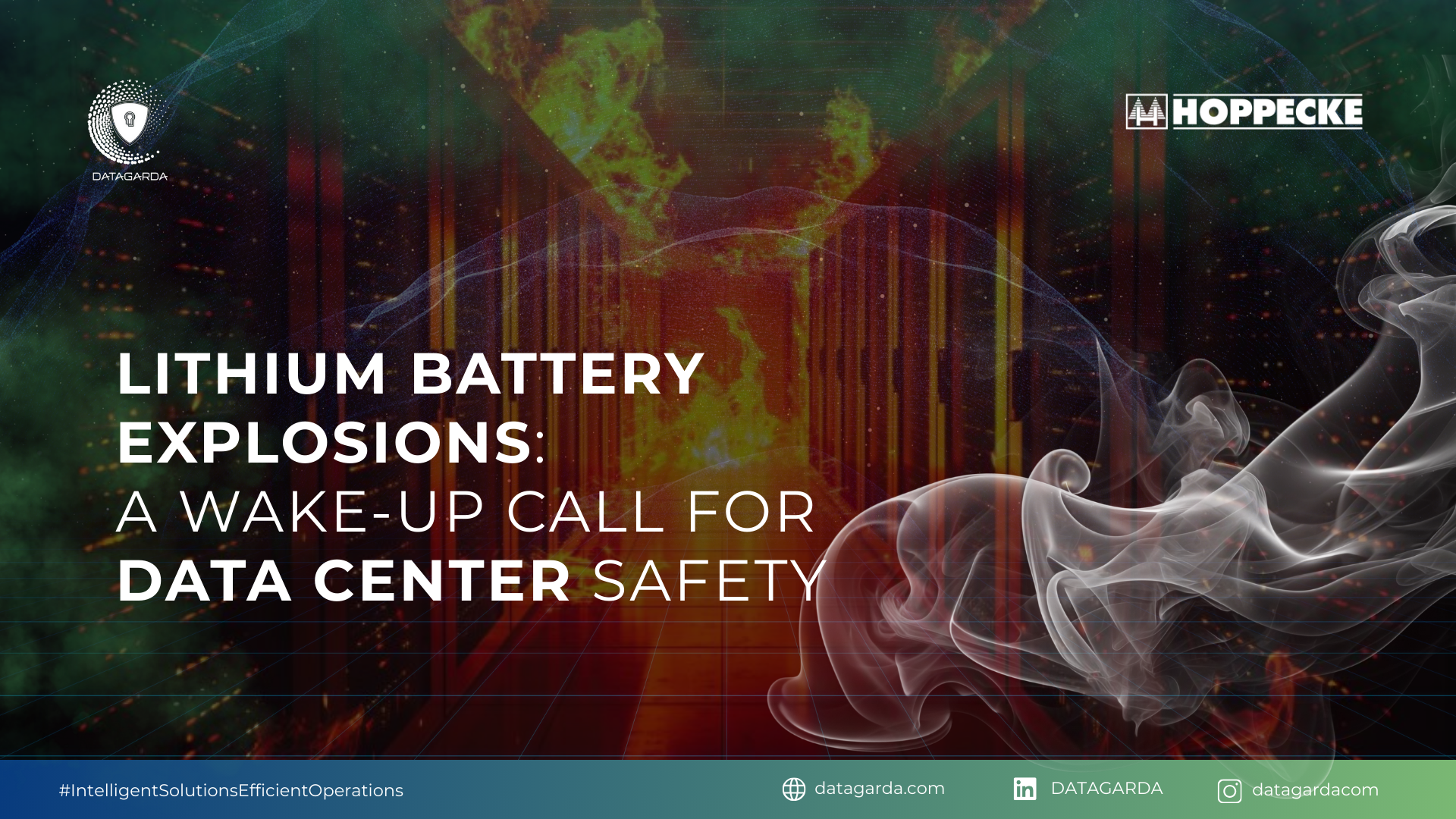
Often praised for their energy density and efficiency, lithium batteries also carry an inherent risk known as thermal runaway, a condition where a battery overheats uncontrollably and ignites without external flames. In enclosed, high-density environments like data centers, this risk can escalate rapidly into fire, explosion, and large-scale service disruption.
What Does “Self-Igniting” Really Mean?
A so-called “self-igniting battery” does not catch fire randomly. The ignition is usually triggered by internal failures such as:
- Internal short circuits
- Manufacturing defects
- Overcharging or overheating
- Physical damage or aging cells
When thermal runaway occurs, the battery releases flammable gases and extreme heat. Once ignited, the fire is difficult to suppress and may spread to neighboring battery cells, creating a chain reaction.
Case Study: South Korea’s National Data Center Fire (2025)
In September 2025, South Korea experienced one of its most serious government data center incidents in recent years.
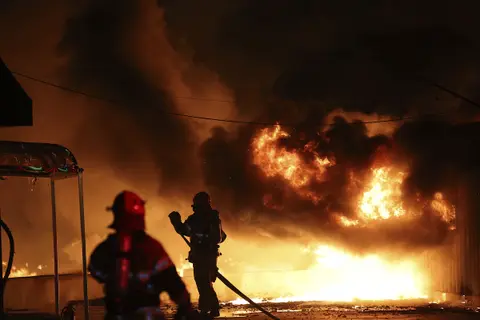
According to Kompas.com, citing reports from Yonhap News Agency, a major fire broke out at the National Information Resources Service (NIRS) data center in Daejeon on Friday, September 27, 2025. The fire is suspected to have been triggered by a lithium-ion battery explosion within the facility.
The impact was immediate and widespread:
- 647 government systems were disrupted, including citizen portals and inter-agency intranet services
- Essential digital services for public administration became inaccessible
- National online operations were partially paralyzed
By Monday morning (September 29), only 47 services had been restored. By midday, the number increased to 62 services, including GOV.KR, South Korea’s primary government portal used for resident registration, logistics, and financial services.
This incident demonstrates how a failure in battery systems—not servers or networks—can cascade into a national digital disruption.
Source: Kompas.com, based on Yonhap News Agency reporting.
Why Lithium Battery Fires Are Especially Dangerous in Data Centers
Lithium-ion batteries pose unique challenges in mission-critical environments:
- Fires can start internally without warning
- Traditional fire suppression systems may be ineffective
- High power density accelerates heat propagation
- Enclosed battery rooms intensify gas accumulation
For data centers supporting government, financial, or cloud infrastructure, these risks are no longer theoretical.
The Industry Shift: Why Pure Lead Batteries Are Gaining Adoption
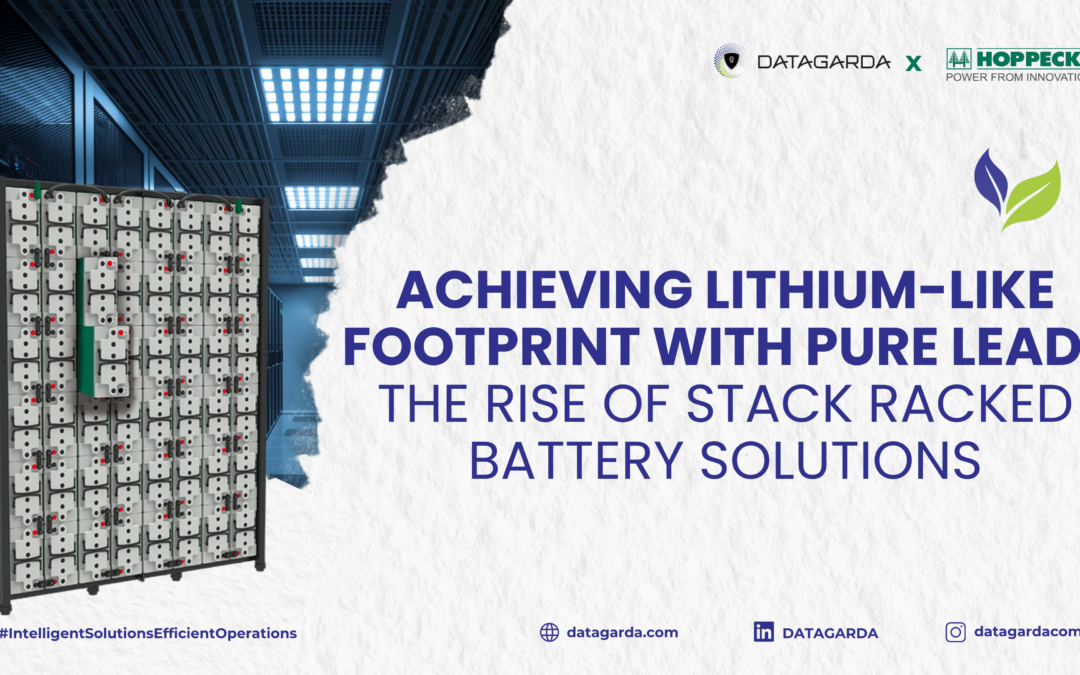
In response to growing safety concerns, many modern data centers are transitioning toward Pure Lead Batteries for UPS systems.
Key advantages include:
- No thermal runaway risk
- Greater thermal and chemical stability
- Predictable failure behavior
- Lower fire and explosion potential
While efficiency remains important, operational safety and resilience have become top priorities in digital infrastructure design.
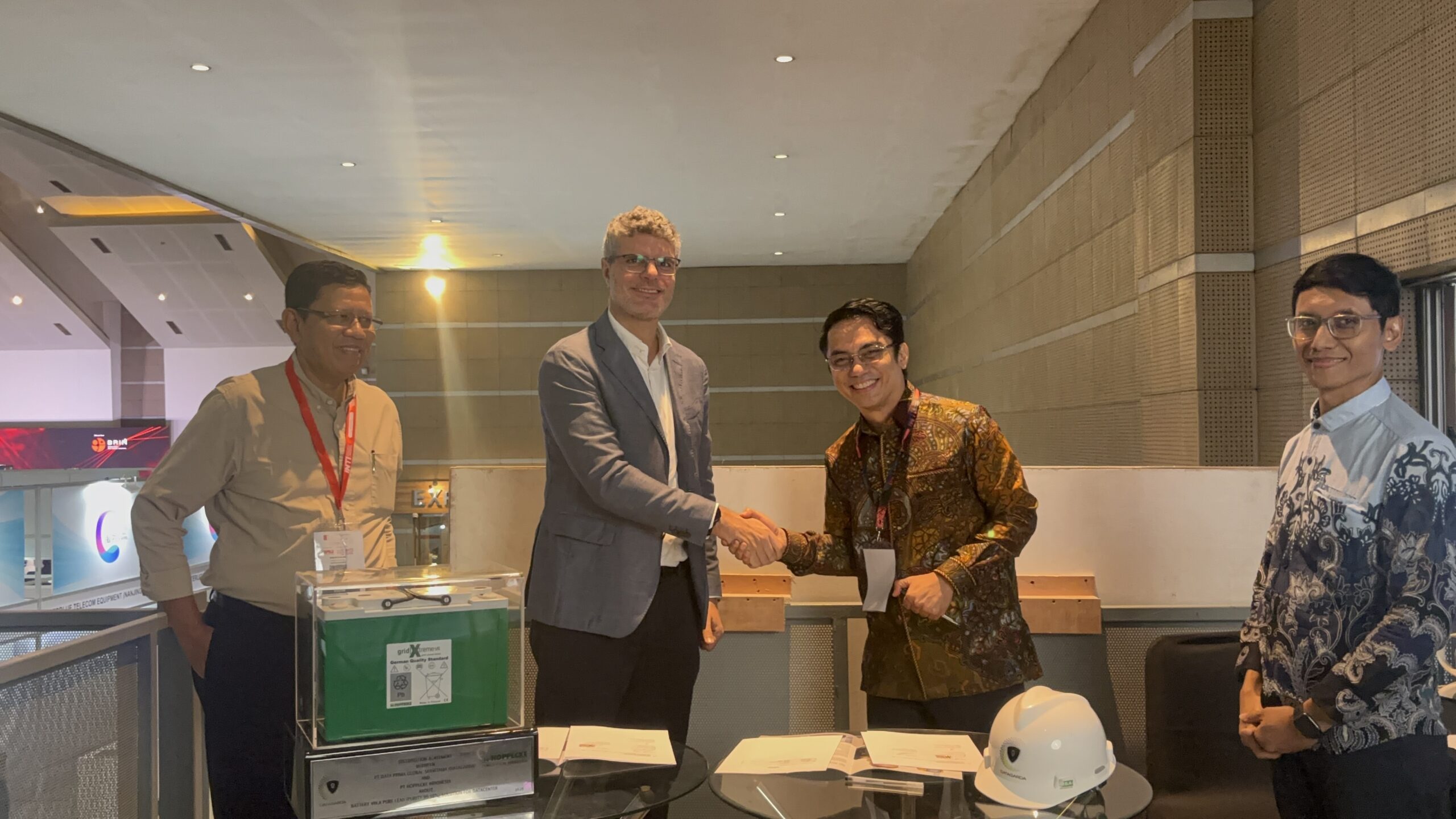
Powering Safety Through Partnership: DataGarda x Hoppecke
Recognizing the growing safety risks associated with lithium-ion battery systems in mission-critical environments, DataGarda has partnered with Hoppecke, a global leader in Pure Lead Battery technology.
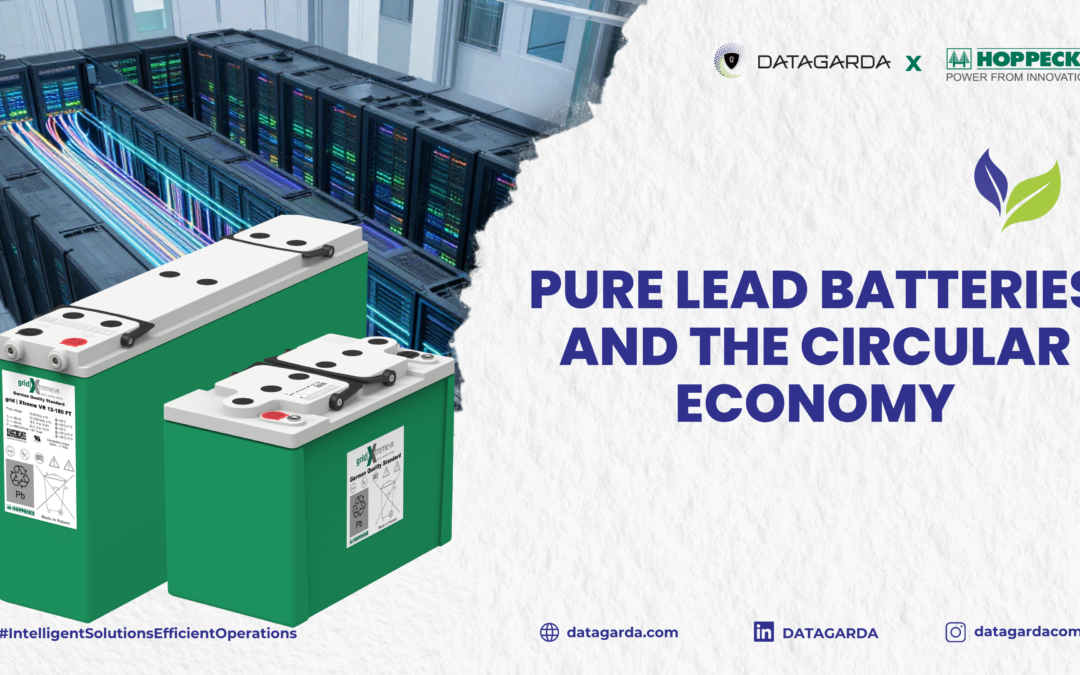
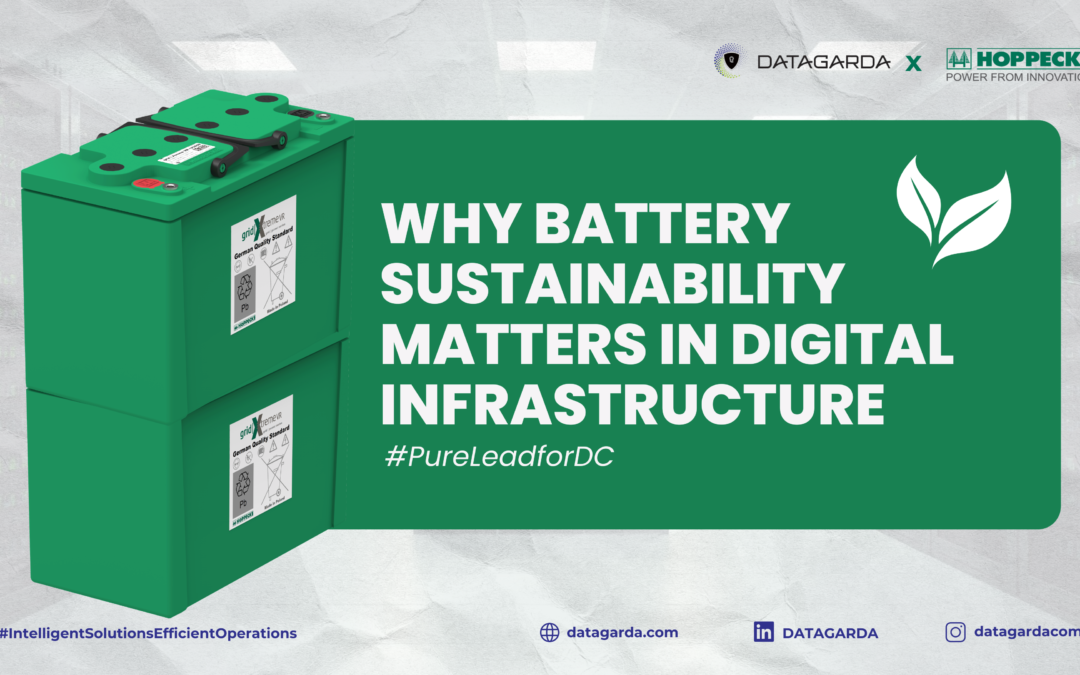
Hoppecke’s pure lead batteries are engineered specifically for high-reliability applications such as data centers, telecommunications, and critical infrastructure. Unlike lithium-ion systems, pure lead batteries offer superior thermal stability, predictable performance, and significantly lower fire and explosion risks.
Through this partnership, DataGarda provides:
● Safer UPS battery solutions for data centers
● Risk-based power infrastructure assessments
● Compliance with international data center standards
● Long-term reliability for mission-critical operations
By combining DataGarda’s data center expertise with Hoppecke’s advanced battery technology, organizations can strengthen their power resilience without compromising safety.
This partnership reflects a shared commitment to building future-ready, secure, and sustainable digital infrastructure.