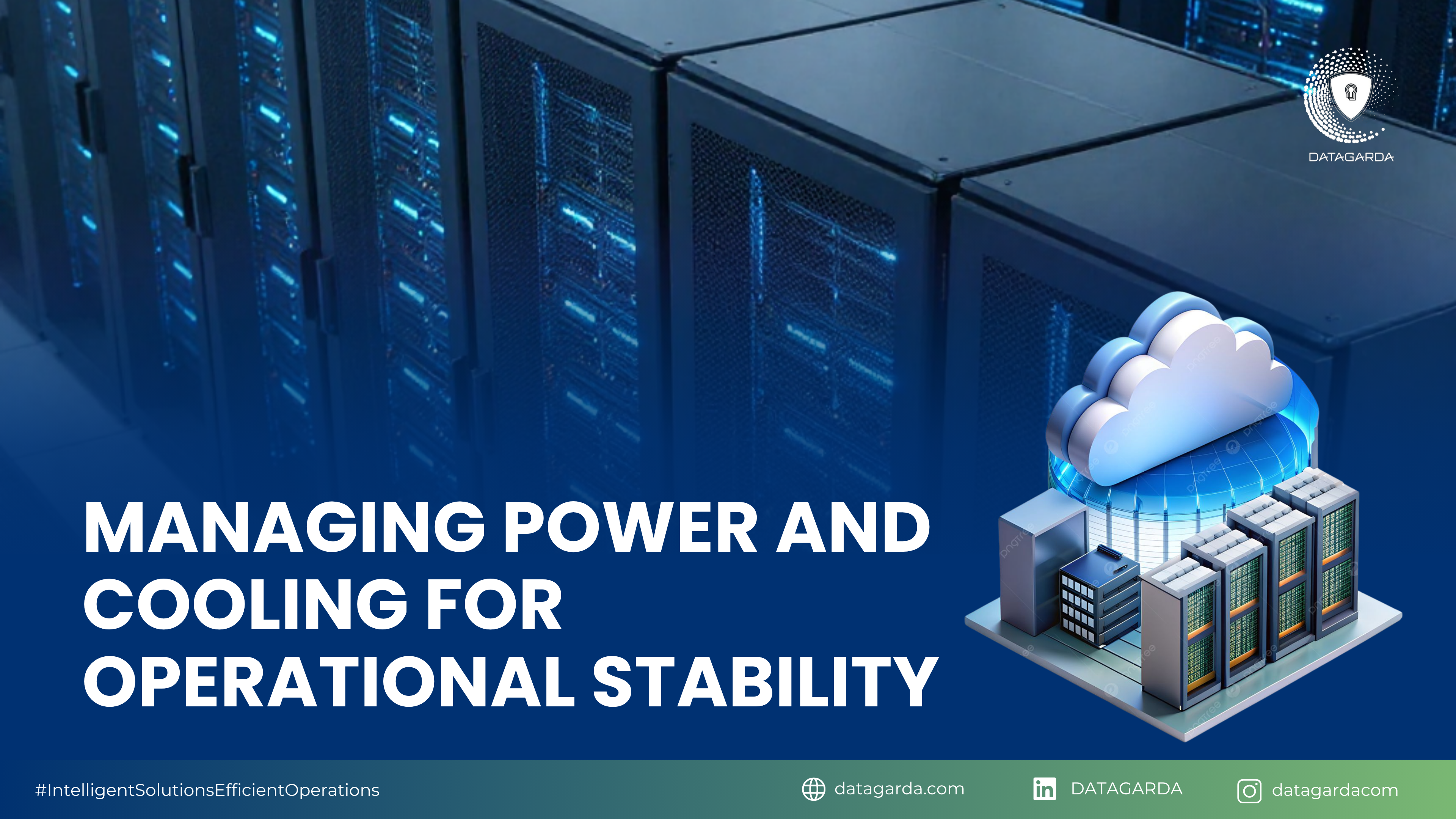
In data center environments, operational stability depends on more than just IT systems. At its core, stability is driven by two fundamental components: power and cooling.
These systems form the backbone of data center infrastructure. When properly managed, they ensure continuous uptime, predictable performance, and long-term reliability. When mismanaged, they become the primary source of operational risk.
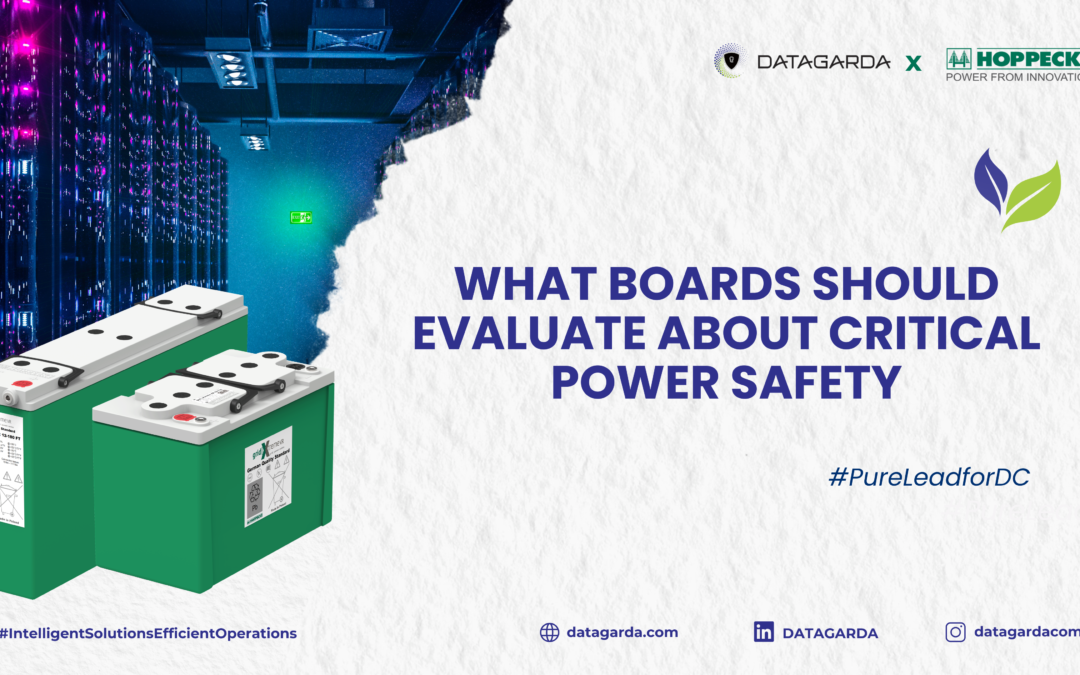
1. The Role of Power in Data Center Stability
Power systems are the lifeline of any data center.
A stable power architecture typically includes:
- Utility power supply
- Uninterruptible Power Supply (UPS) systems
- Backup generators
- Redundant distribution paths
Operational stability depends on the ability to maintain continuous and clean power delivery, even during unexpected disruptions.
Effective power management requires:
- Regular maintenance and testing
- Load balancing and capacity planning
- Validation of redundancy and failover systems
Without disciplined power management, even minor disruptions can lead to major downtime.
2. Cooling Systems: Controlling the Environment
Data centers generate significant heat. Without proper cooling, system performance degrades rapidly, and equipment failure becomes inevitable.
Cooling systems are responsible for:
- Maintaining optimal temperature and humidity
- Preventing hotspots
- Ensuring consistent airflow across equipment
Key operational considerations include:
- Airflow management strategies
- Redundancy in cooling systems
- Continuous environmental monitoring
Cooling is not just about comfort—it is about protecting infrastructure performance and longevity.
3. The Interdependency Between Power and Cooling
Power and cooling systems are deeply interconnected.
For example:
- Increased power load generates more heat
- Cooling systems rely on stable power supply
- System failures in one area can impact the other
Managing these systems independently can create blind spots. Operational stability requires an integrated approach that considers both systems as part of a single ecosystem.
4. Monitoring and Proactive Management
Modern data centers rely on real-time monitoring to maintain stability.
This includes:
- Power usage effectiveness (PUE) tracking
- Temperature and humidity monitoring
- Equipment performance alerts
- Predictive maintenance insights
Proactive monitoring allows operators to detect anomalies early and take corrective actions before issues escalate.
5. Standardized Operations and Procedures
Operational stability is achieved through consistency.
Standardized procedures such as SOP, MOP, and EOP ensure that:
- Maintenance activities are executed safely
- Incidents are handled systematically
- Risks are minimized during operational changes
Structured processes reduce variability and strengthen operational control.
6. Talent and Operational Discipline
Even the most advanced systems require skilled professionals to manage them effectively.
Organizations must invest in:
- Training and certification programs
- Hands-on operational experience
- Scenario-based response drills
Operational discipline ensures that power and cooling systems are managed with precision and consistency.
Power and cooling systems are not just supporting elements—they are the foundation of data center stability.
By integrating strong operational planning, real-time monitoring, standardized processes, and skilled talent, organizations can ensure that these critical systems perform reliably under all conditions.
At DataGarda, we help organizations manage power and cooling systems with operational discipline—ensuring stability, efficiency, and long-term resilience.